
Resource Center
August 12, 2026
What Is Titanium Dioxide (TiO₂)? Whiteness, Opacity and Applications
Titanium Dioxide (TiO₂) is one of the most widely used white pigments in industrial applications. It is valued for its high whiteness, opacity and optical performance and is commonly used in paints, coatings, plastics, masterbatch and other coloring systems.
Choosing the right Titanium Dioxide is not only about achieving a bright white color. Factors such as opacity, dispersion, heat resistance, crystal structure and compatibility with the application system should also be considered.
What Is Titanium Dioxide?
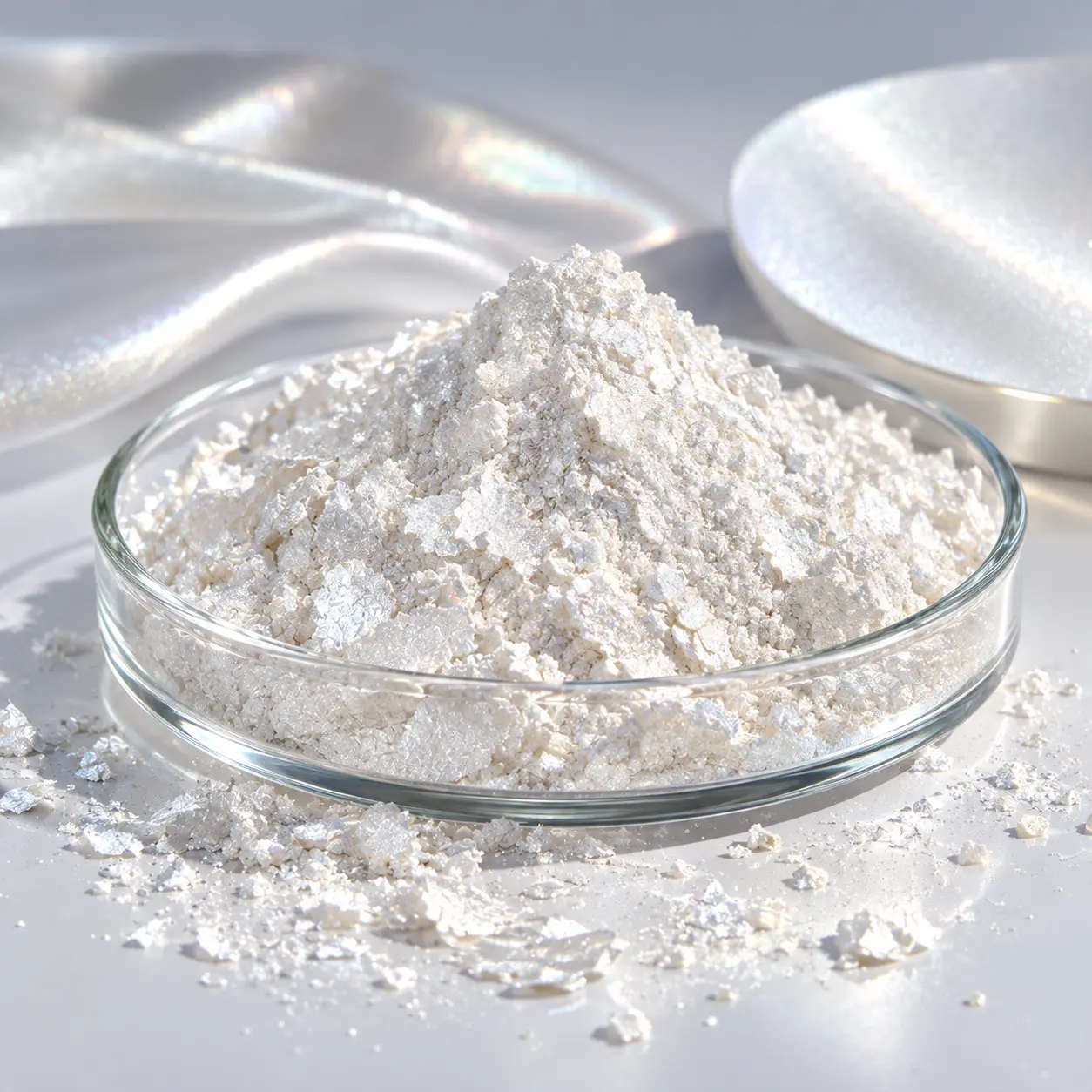
Titanium Dioxide, with the chemical formula TiO₂, is a white inorganic pigment used to provide whiteness and opacity in a wide range of industrial products.
Its high refractive index allows it to scatter light effectively, which contributes to its excellent optical performance.
However, not every TiO₂ product provides the same performance. Particle size, surface treatment, crystal structure, dispersion characteristics and application compatibility can significantly affect the final result.
Where Is Titanium Dioxide Used?
Titanium Dioxide is used across many industrial sectors, including:
-
Paints and coatings
-
Plastics
-
Masterbatch
-
PVC
-
Polyethylene (PE)
-
Polypropylene (PP)
-
Industrial coatings
-
Printing inks
-
Rubber and polymer systems
-
Construction and decorative products
The appropriate TiO₂ grade should be selected according to the processing conditions and performance requirements of the final application.
Why Is TiO₂ Used in Paints?
One of the main reasons Titanium Dioxide is used in paints is its ability to provide high whiteness and opacity.
In a paint formulation, TiO₂ helps reduce the visibility of the underlying surface and contributes to a more opaque and uniform appearance.
Important selection criteria include:
-
Whiteness
-
Opacity
-
Tinting strength
-
Dispersion
-
Gloss
-
Light fastness
-
Compatibility with the binder system
-
Application conditions
Proper pigment dispersion is also important for achieving consistent color and surface quality.
Why Is TiO₂ Used in Plastics?
Titanium Dioxide can be used in plastics to provide white coloration and opacity.
It may be used in polymer systems such as PE, PP and PVC. When selecting TiO₂ for plastics, the pigment's compatibility with the polymer and processing conditions should be evaluated.
Processing temperature is particularly important in plastic applications.
Other factors include:
-
Polymer type
-
Processing temperature
-
Pigment concentration
-
Dispersion
-
Whiteness
-
Opacity
-
Final product requirements
Rutile vs. Anatase Titanium Dioxide
Titanium Dioxide is commonly available in two crystal forms: Rutile and Anatase.
Rutile TiO₂
Rutile Titanium Dioxide has a high refractive index and strong optical properties. It is widely used in applications where high opacity and whiteness are required.
Rutile TiO₂ can be suitable for various paint, coating and plastic applications depending on the product's surface treatment and technical specifications.
Anatase TiO₂
Anatase is another crystal form of Titanium Dioxide used in selected industrial applications.
Rutile and Anatase grades can differ in optical and application performance. Therefore, crystal structure should be evaluated together with dispersion, surface treatment and the requirements of the final formulation.
What Is the Difference Between Whiteness and Opacity?
Whiteness and opacity are related but different properties.
Whiteness refers to how white a pigment or finished product appears visually.
Opacity refers to the ability of a coating, plastic or other material to hide the underlying surface or color.
When selecting a white pigment, both properties should be evaluated according to the requirements of the final application.
Why Is TiO₂ Dispersion Important?
Proper dispersion is essential for achieving consistent pigment distribution throughout a formulation.
Poor dispersion can result in:
-
Uneven color
-
Reduced opacity
-
Surface defects
-
Inconsistent pigment performance
-
Lower overall formulation efficiency
For this reason, pigment selection and dispersion conditions should be considered together.
Titanium Dioxide in Masterbatch Production
Titanium Dioxide is widely used in white masterbatch production to provide high whiteness and opacity.
For masterbatch applications, compatibility with the carrier polymer, dispersion behavior and processing temperature are particularly important.
A suitable TiO₂ grade should be selected according to the carrier polymer, production process and requirements of the final plastic product.
How to Choose the Right Titanium Dioxide
Selecting the appropriate TiO₂ grade starts with understanding the application.
1. Application
Paint, plastic, masterbatch and coating systems may require different pigment characteristics.
2. Crystal Structure
Rutile or Anatase should be evaluated according to the intended application.
3. Whiteness and Opacity
The required level of whiteness and hiding power should be established based on the final product.
4. Dispersion
The pigment's dispersion behavior in the selected formulation should be considered.
5. Processing Temperature
For plastics and masterbatch, the pigment should be suitable for the processing temperature.
6. Technical Documentation
Technical documents such as the Technical Data Sheet (TDS), Safety Data Sheet (SDS/MSDS) and, when required, Certificate of Analysis (COA) should be reviewed when evaluating product suitability.
Factors Affecting TiO₂ Performance
The performance of Titanium Dioxide depends on more than the pigment itself.
Formulation, pigment concentration, dispersion method, binder or polymer system, application thickness and processing conditions can all affect the final result.
As a result, different TiO₂ grades may produce different results even when used in the same application.
Tüver Pigment Titanium Dioxide Solutions
Tüver Pigment supplies pigment and coloring solutions for paint, plastic, masterbatch and various industrial applications.
When selecting Titanium Dioxide, application requirements, processing temperature, polymer or binder system, desired whiteness and opacity should be evaluated together.
For technical information and assistance in selecting a suitable Titanium Dioxide grade for your application, contact Tüver Pigment.
Frequently Asked Questions
What is Titanium Dioxide used for?
Titanium Dioxide is primarily used as a white pigment to provide whiteness, opacity and light-scattering properties in paints, plastics, coatings and other industrial applications.
Is TiO₂ a white pigment?
Yes. Titanium Dioxide is one of the most widely used white inorganic pigments in industrial applications.
What is Rutile TiO₂?
Rutile is one of the crystal forms of Titanium Dioxide. It is widely used in applications requiring strong optical performance, whiteness and opacity.
Can TiO₂ be used in plastics?
Yes. Titanium Dioxide can be used in PE, PP, PVC and other plastic systems. The appropriate grade should be selected according to the polymer and processing conditions.
Is Titanium Dioxide used in masterbatch?
Yes. TiO₂ is widely used in white masterbatch production. Dispersion, pigment concentration, carrier polymer compatibility and processing conditions are important selection criteria.
What is the most important factor when choosing TiO₂?
There is no single factor that applies to every application. Whiteness, opacity, dispersion, crystal structure, processing temperature and compatibility with the formulation should be evaluated together.
Conclusion
Titanium Dioxide (TiO₂) is an important industrial white pigment used in paints, plastics, masterbatch, coatings and many other applications because of its high whiteness and opacity.
However, selecting the right TiO₂ grade requires more than evaluating its color. Crystal structure, dispersion characteristics, processing temperature, polymer or binder compatibility and the required final performance should all be considered.
Choosing the appropriate Titanium Dioxide grade can contribute to more consistent color, better opacity and improved performance in industrial formulations.