
Resource Center
September 24, 2026
What Is Pearl Pigment? How Are Pearlescent and Metallic Effects Achieved? | Tüver Pigment
Pearl pigments are special effect pigments used to create pearlescent shine, metallic reflections, depth and decorative surface effects. Unlike conventional color pigments, which primarily provide color, pearl pigments interact with light to create a more dynamic visual appearance.
Today, pearlescent pigments are used in a wide range of industries, including plastics, masterbatch, paints and coatings, automotive coatings, epoxy and resin systems, printing, packaging and suitable cosmetic applications. Particle size, color, brightness and compatibility with the application system all influence the final effect.
In this guide, we will explain what pearl pigment is, how pearlescent effects work, how metallic effects are achieved and how to select the right effect pigment for an industrial application.
What Is Pearl Pigment?
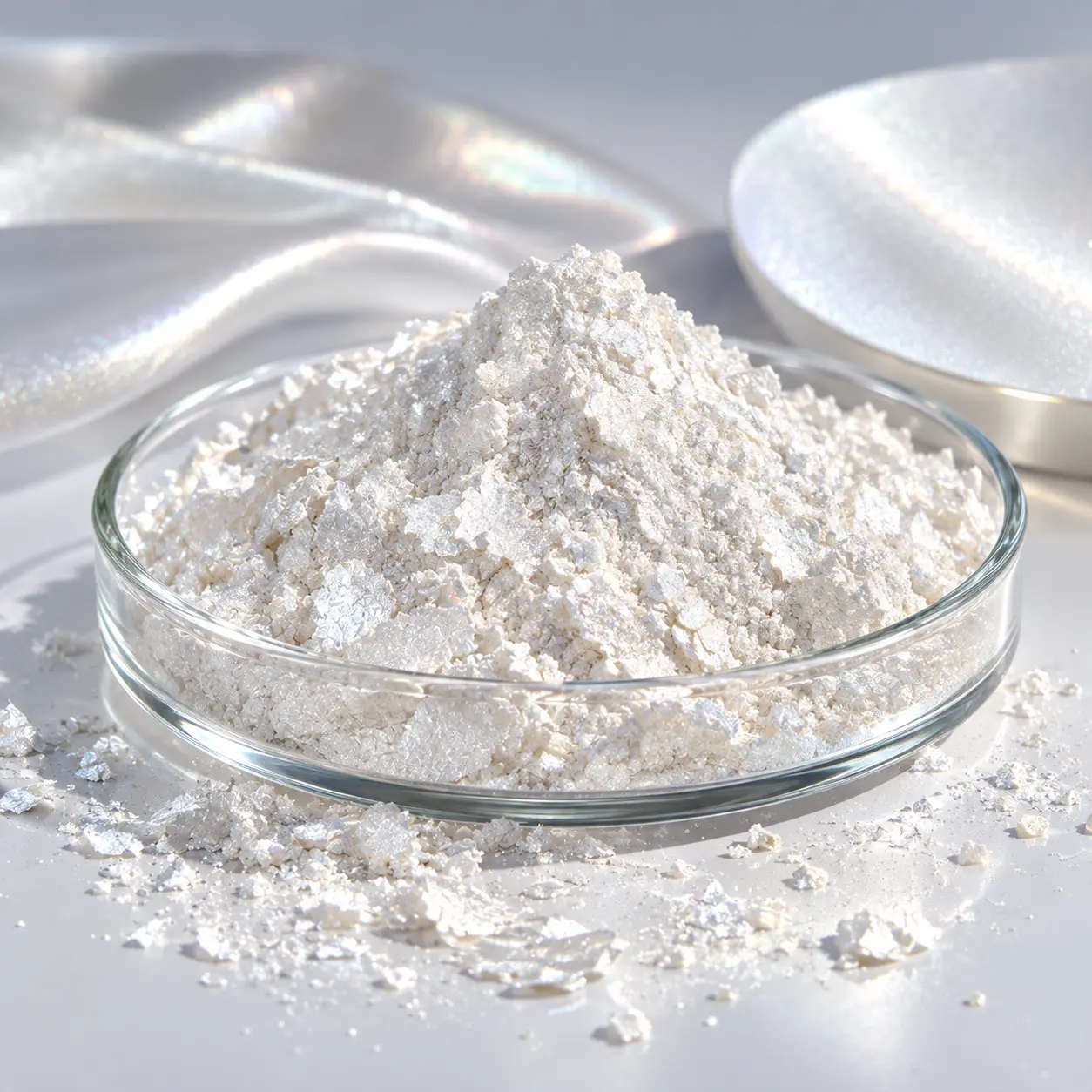
Pearl pigment, also known as pearlescent pigment, is an effect pigment designed to provide surfaces with an appearance similar to natural pearl. Depending on the pigment structure and application system, it can create soft luster, strong sparkle, metallic reflections or color-shifting visual effects.
Many pearlescent pigments are based on mica particles. These particles can be coated with suitable metal oxides, creating a layered structure that interacts with incoming light. The resulting reflection and refraction contribute to the characteristic pearlescent appearance.
Tüver Pigment offers different effect pigment options in its Pearl and Effect Pigments product range for industrial and decorative applications.
What Is the Difference Between Pearl Pigment and Conventional Pigment?
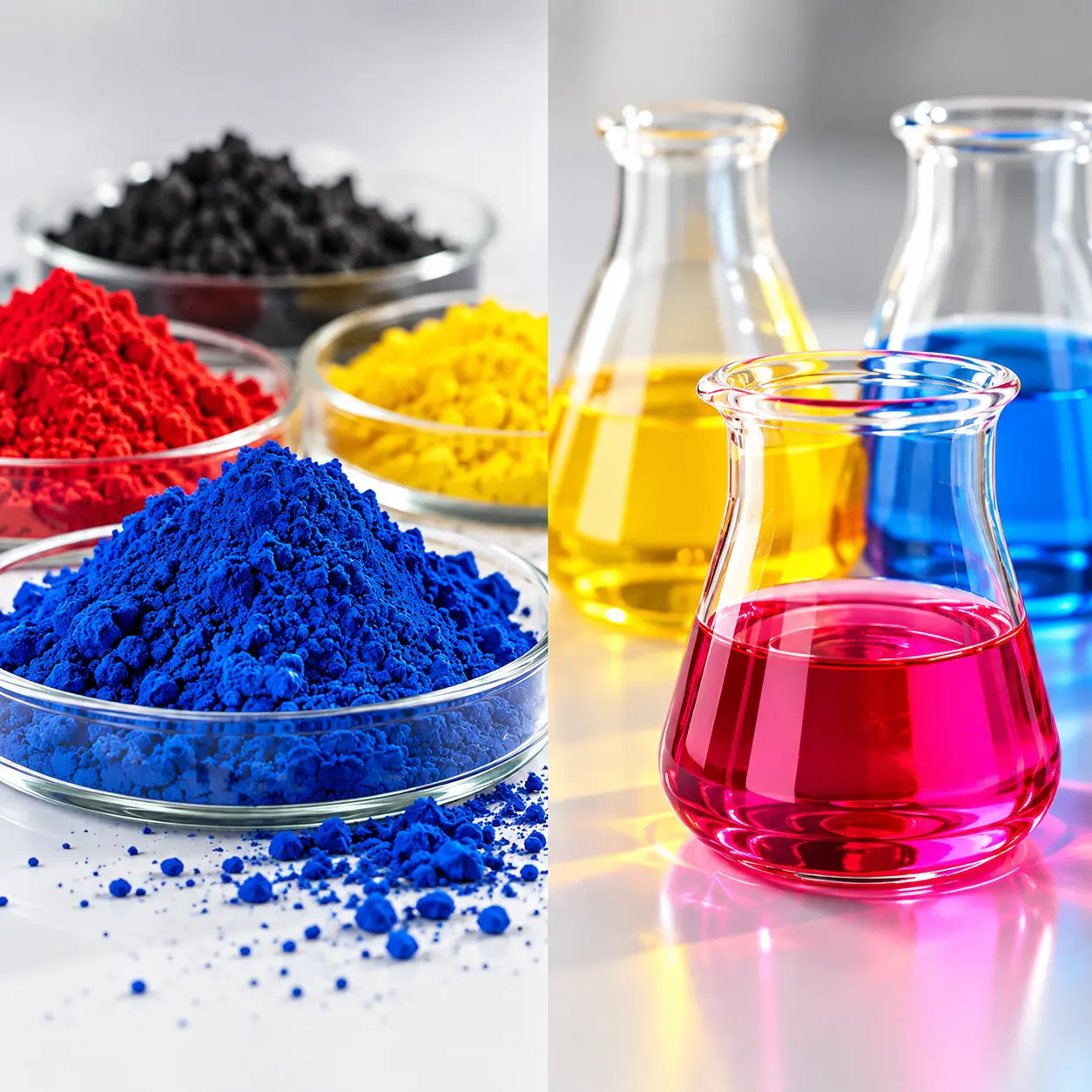
Conventional pigments are primarily used to provide a specific color to a formulation. For example, organic pigments can provide strong yellow, red, blue and other shades for plastics, coatings and industrial coloring applications.
Pearlescent pigments, on the other hand, combine coloration with an optical effect. Light reflection, brightness and visual depth become important parts of the final appearance. As a result, two pearl pigments with similar colors can produce significantly different effects depending on particle size and surface structure.
| Property | Conventional Color Pigment | Pearlescent Effect Pigment |
|---|---|---|
| Primary purpose | Provide color | Provide color and optical effects |
| Appearance | Generally uniform color | Pearlescent, glossy or metallic appearance |
| Light interaction | Limited optical effect | Distinct light reflection and visual depth |
| Typical purpose | Coloration | Decorative and premium surface effects |
How Do Pearl Pigments Work?
The pearlescent effect is based on the interaction between light and the pigment particles. The layered and plate-like structure of the particles allows incoming light to be reflected at different angles, creating a characteristic sense of brightness and depth.
For this reason, particle size and particle distribution are important factors when selecting pearl pigments. Fine particles can create a softer and more uniform appearance, while larger particles can produce stronger sparkle and more pronounced visual effects.
How Does Particle Size Affect the Pearlescent Effect?
Particle size is one of the key parameters determining the final appearance of a pearlescent pigment.
- Fine particles: Can provide a soft, smooth and homogeneous pearlescent appearance.
- Medium particles: Can produce a more visible pearl effect with balanced light reflection.
- Large particles: Can create stronger sparkle and a more pronounced visual effect.
For example, Tüver Pigment's pearl and effect pigment range includes products with different particle sizes for applications requiring different levels of brightness and visual effect.
How Is a Pearlescent Appearance Achieved?
A pearlescent appearance is generally achieved by using light-reflective effect pigments in a suitable formulation. White pearl pigments are particularly common when the objective is to create a classic pearl, satin or soft luminous appearance.
The intensity of the pearlescent effect depends on several factors, including particle size, pigment concentration, coating thickness, surface smoothness and the binder system used in the formulation.
In decorative coatings, automotive finishes, plastics and other applications, surface smoothness can significantly affect the final visual result. A smoother surface can help produce more controlled light reflection and make the pearlescent effect more noticeable.
White Pearl Pigments
White pearl pigments are among the most commonly used effect pigments for creating classic pearl and luminous finishes. Tüver Pigment's Pearl and Effect Pigments category includes options with different particle characteristics for various applications.
Depending on the desired finish, particle size can influence brightness, coverage and the way light is distributed across the surface. For this reason, testing different particle sizes on an actual application sample can be useful before starting large-scale production.
How Is a Metallic Appearance Achieved?
Metallic effects are created by using effect pigments that reflect light strongly and directionally, producing an appearance similar to metal surfaces. Although pearlescent and metallic effect pigments can be considered within the broader category of effect pigments, the optical results they create are different.
Pearlescent pigments generally provide a soft pearl, satin or iridescent appearance, while metallic effect pigments are used when a stronger metal-like surface appearance is required. Depending on the application, gold, silver, bronze, copper and other metallic effects can be created.
Tüver Pigment's Pearl and Effect Pigments product range includes effect pigment solutions for decorative and industrial applications.
Gold Pearl and Metallic Effects
Gold tones are widely used in decorative surfaces to create a warm, premium appearance. Gold pearl pigments can be used in paints, plastics, coatings, printing and other decorative applications.
Increasing particle size or pigment concentration can make the light reflection more pronounced. However, using more pigment does not always produce a better result. The pigment concentration should be optimized according to the formulation and application method.
Colored Pearl Pigments
Pearlescent pigments are not limited to white and gold effects. Blue, green, red, violet and other colored effects can be used to create different decorative finishes.
Combining a base color with a pearlescent effect pigment can create a deeper and more dynamic surface appearance. For example, applying a blue or violet pearl effect over a dark blue base can create a more dimensional appearance than a standard blue color alone.
For the base color, organic pigments or inorganic pigments can be selected depending on the application requirements.
Why Is Particle Size Important in Pearl Pigments?
Particle size is not simply a physical property of a pearlescent pigment. It is one of the main parameters determining the character of the final visual effect.
| Particle Size | Typical Visual Effect | Application Approach |
|---|---|---|
| Fine | Soft, silky and homogeneous brightness | Fine decorative coatings and smooth surfaces |
| Medium | Distinct pearl and pearlescent effect | Paints, plastics and decorative coatings |
| Large | Strong sparkle and pronounced optical effect | Decorative and visually striking surfaces |
Therefore, selecting a pearl pigment should involve more than simply matching a color sample. Desired brightness, effect intensity, application method and final surface appearance should all be considered.
Applications of Pearl Pigments
Pearl and effect pigments can be used across a wide range of industries to create decorative and functional surface effects. The appropriate pigment depends on the pigment structure, particle size and application system.
Plastics and Masterbatch
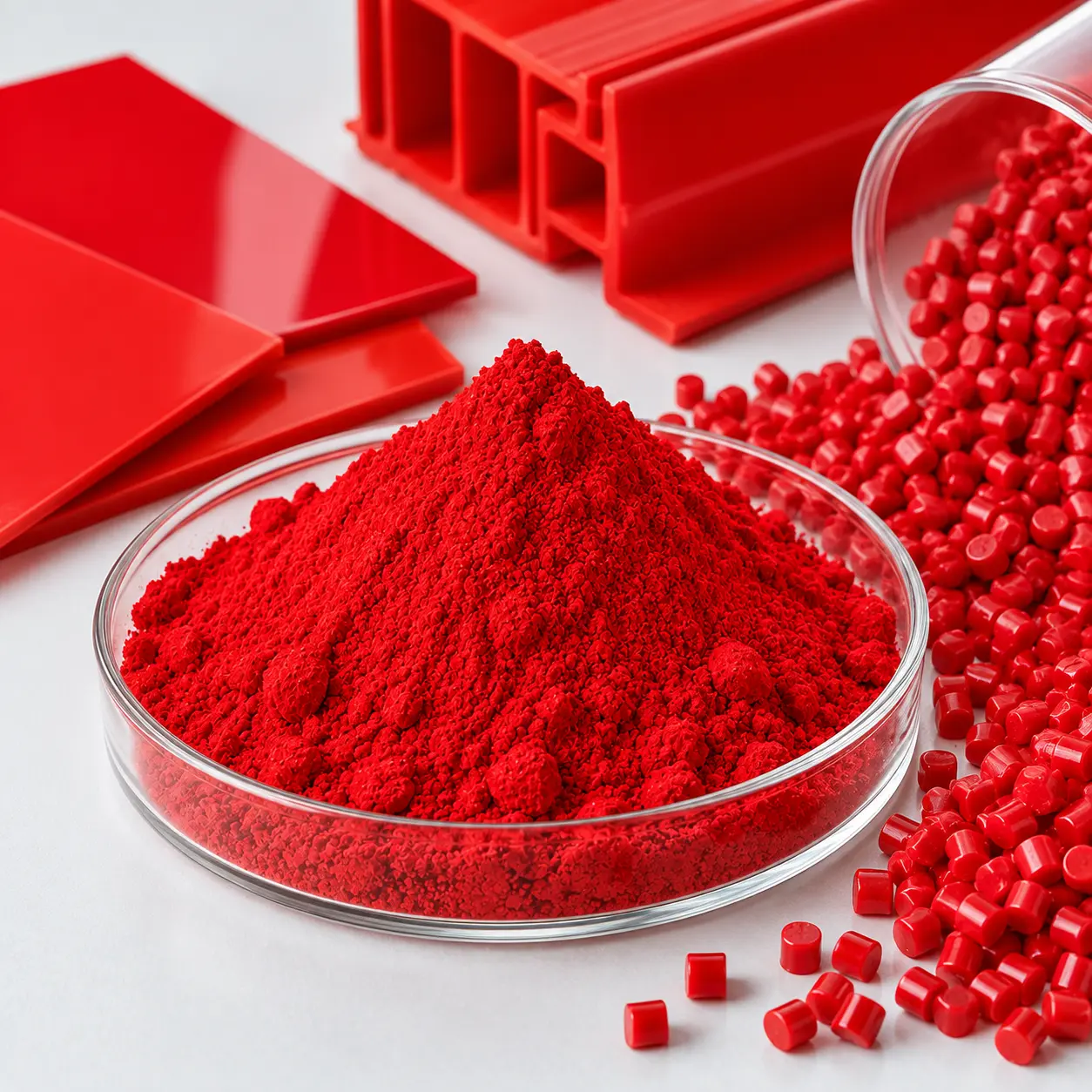
In the plastics industry, pearlescent pigments can give products a decorative and premium appearance beyond conventional solid coloration. In injection molding, extrusion and masterbatch applications, pigment compatibility with the polymer system and processing conditions should be evaluated.
For additional materials used in plastic manufacturing, you can also explore Tüver Pigment's plastic additives product category.
Paints and Coatings
Pearlescent pigments can add depth, brightness and angle-dependent optical effects to decorative paints and coating systems. Depending on the product and formulation, they can be considered for architectural coatings, furniture finishes, automotive coatings and industrial coating systems.
In coating formulations, compatibility with the binder system, pigment distribution and application thickness can significantly influence the final appearance.
Automotive Applications
Color and surface effects are important elements of automotive coatings. Pearlescent pigments can help create dynamic finishes in which the surface appearance changes with the viewing angle and lighting conditions.
For automotive applications, factors such as lightfastness, chemical resistance, particle distribution and compatibility with the coating system should be evaluated before production.
Epoxy and Resin Systems
Pearlescent pigments are also widely evaluated for decorative epoxy and resin applications. They can be used to create pearl, metallic and depth effects in tables, floors, decorative objects and other resin-based products.
In epoxy systems, uniform pigment distribution and settling behavior are important. Pigment concentration and particle size should be selected according to the desired visual effect and the characteristics of the resin system.
Cosmetic Applications
Another important application area for pearlescent pigments is cosmetics. Pigments that meet the relevant quality and regulatory requirements can be used to provide shimmer, brightness and pearl effects in suitable cosmetic products.
For cosmetic applications, pigment selection should consider not only color and visual effect but also the applicable technical and regulatory requirements.
What Should You Consider When Selecting a Pearl Pigment?
The correct pearl pigment should not be selected based on color alone. The application system and desired visual effect should be evaluated together.
- Particle size: Should match the required brightness and effect intensity.
- Color tone: Should complement the base color and final surface appearance.
- Brightness: Should be selected according to whether a pearl, satin or stronger metallic effect is required.
- Dispersion: The pigment should distribute uniformly within the selected paint, resin or plastic system.
- Heat resistance: Important for plastics and high-temperature processing applications.
- Lightfastness: Particularly relevant for outdoor and UV-exposed applications.
- Chemical compatibility: Compatibility with binders, resins and additives should be verified.
Why Is Dispersion Important for Pearl Pigments?
To achieve the expected optical performance, pearlescent pigment particles need to be distributed as uniformly as possible throughout the application system. Poor dispersion can lead to pigment agglomeration and unwanted variations in surface appearance.
In plastic and coating applications, the addition method, mixing conditions and processing equipment can influence the final effect. Laboratory trials before full-scale production can therefore be useful for optimizing pigment concentration and processing conditions.
For more information about pigment color strength and its evaluation, read our related article: What Is Pigment Color Strength?
Color and Effect Combinations with Pearl Pigments
One of the key advantages of pearlescent pigments is that they can be used alone or combined with conventional color pigments. This makes it possible to create surfaces with greater depth, brightness and visual movement rather than a simple flat color.
For example, a white or light-colored pearl pigment can be applied over a colored base to create a more luminous appearance. Gold, bronze, copper and other effect pigments can also be used to create distinctive decorative finishes.
Depending on the application, the base color can be developed using organic pigments or inorganic pigments, while the pearl pigment provides the optical effect.
The Importance of Transparency and Base Color
The final appearance of a pearlescent pigment is not determined by the pigment color alone. The base color, transparency of the binder, coating thickness and pigment concentration can all influence the final result.
Especially in semi-transparent or transparent systems, the base color can significantly change how the pearl effect is perceived. As a result, the same pearlescent pigment may look different when applied over different base colors.
| Base Color | Possible Visual Effect |
|---|---|
| White | Clean, bright and classic pearl appearance |
| Black | Stronger contrast and more pronounced light reflection |
| Blue | Deep and cool-toned pearlescent effect |
| Red | Warmer and more decorative appearance |
| Gold / Yellow | Warm, metallic and premium appearance |
Proper Application of Pearl Pigments
Choosing the correct pearl pigment is only one part of achieving the desired optical performance. The application method and processing conditions must also be considered.
Excessive shear forces during processing can affect the particle structure of certain effect pigments and may reduce the intended optical effect. Therefore, the mixing equipment and dispersion method should be compatible with the technical characteristics of the selected pigment.
In Paints and Coatings
In paint and coating applications, pearl pigments can be incorporated into the formulation under controlled conditions. The objective is to achieve uniform distribution while maintaining the structure responsible for the desired optical effect.
Application viscosity, film thickness and drying conditions can also influence the final appearance. Comparing laboratory samples with production samples is therefore important for maintaining consistent results.
In Plastics
When selecting a pearl pigment for plastic applications, processing temperature, polymer type, pigment concentration and dispersion conditions should be evaluated together.
For plastics processed at elevated temperatures, the pigment's compatibility with the processing temperature must be verified. Additional materials used in plastic production can be found in Tüver Pigment's plastic additives category.
In Epoxy and Resin Systems
In epoxy and resin systems, pearl pigments can be used to create depth and brightness in decorative surfaces. Uniform distribution throughout the resin is important, while settling behavior should also be considered.
For thick castings, particle size and pigment concentration should be selected carefully. Small-scale trials can help determine how the pigment behaves within the specific resin system before full-scale production.
Pearl Pigment vs. Metallic Pigment
Pearl pigments and metallic pigments are sometimes used interchangeably, but the visual effects they create are not identical. Pearlescent pigments generally produce pearl-like, satin and angle-dependent optical effects, while metallic effect pigments are designed to create a stronger metal-surface appearance.
| Property | Pearl Pigment | Metallic Effect Pigment |
|---|---|---|
| Main effect | Pearlescent and luminous appearance | Metal-like surface appearance |
| Light reflection | Soft and optically variable | Stronger and more directional reflection |
| Typical appearance | Pearl, satin, luminous or colored effect | Aluminum, silver, gold or bronze-like appearance |
| Typical purpose | Decorative and premium optical effects | Metallic appearance and strong reflectivity |
Quality Control for Pearl Pigments
For industrial production, color and effect control should be standardized to achieve consistent results. Maintaining similar performance between production batches is particularly important for manufacturers operating continuous or high-volume production.
The following parameters can be evaluated during quality control:
- Color tone
- Brightness level
- Particle size
- Effect intensity
- Dispersion performance
- Heat resistance
- Lightfastness
- Batch-to-batch color and effect consistency
Depending on the application system, laboratory samples, application tests and reference-sample comparisons can help reduce variations during commercial production.
Choosing Pearl Pigments with Tüver Pigment
Selecting the appropriate pearl pigment begins with identifying the technical requirements of the application. A pigment intended for plastics, paints, coatings, epoxy or another system may require different particle size, color tone, effect intensity and processing resistance.
Tüver Pigment offers a range of pearl and effect pigments for different industrial and decorative applications. Providing information about the intended application and desired visual effect can help determine the most suitable pigment option.
Depending on the formulation, organic pigments, inorganic pigments and other industrial colorants can also be evaluated together with pearlescent pigments.
Frequently Asked Questions About Pearl Pigments
What is pearl pigment?
Pearl pigment, or pearlescent pigment, is a special effect pigment used to create pearl-like shine, brightness, depth and decorative optical effects. It generally has a particle structure that reflects light in a controlled manner.
Where are pearl pigments used?
Pearl pigments can be used in plastics, masterbatch, paints, coatings, automotive finishes, epoxy, resin, printing and suitable cosmetic applications. The appropriate application depends on the technical characteristics of the pigment and the requirements of the formulation.
Are pearl pigments and metallic pigments the same?
No. Both can create decorative effects, but pearlescent pigments generally provide pearl-like and optical brightness, while metallic effect pigments are primarily used to create a stronger metal-surface appearance.
What colors are available in pearl pigments?
Pearl pigments can be available in white, gold, silver, bronze and various colored effects. The final appearance is influenced not only by pigment color but also by particle size, base color and application system.
Can pearl pigments be used in plastics?
Yes. Pearl pigments with suitable technical properties can be used in plastic and masterbatch applications. Compatibility with the polymer system and processing temperature should be tested before production.
Why is particle size important for pearl pigments?
Particle size can directly influence the brightness and optical character of the pigment. Fine particles can create a softer and more uniform appearance, while larger particles can produce stronger sparkle and a more pronounced visual effect.
Conclusion: Creating Pearlescent and Metallic Effects
Pearl pigments provide more than conventional coloration. By interacting with light, they can add brightness, depth, pearlescent appearance and decorative effects to a wide range of industrial and decorative surfaces.
Selecting the appropriate pigment requires consideration of color, particle size, brightness, dispersion, heat resistance, lightfastness and compatibility with the application system. Laboratory testing before full-scale production is particularly useful for confirming the desired visual effect and establishing consistent processing conditions.
If you are looking for pearl, pearlescent or metallic effect pigments, explore Tüver Pigment's Pearl and Effect Pigments range or contact us for application-specific pigment selection.