September 28, 2026
Pigment vs. Dye: What Is the Difference and Which One Should You Use? | Tüver Pigment
Choosing the right colorant in industrial production is important not only for achieving the desired color, but also for controlling transparency, color strength, durability, process compatibility, and overall formulation cost. One of the most common decisions manufacturers face is whether to use a pigment or a dye.
Although both pigments and dyes are used for coloring, they differ significantly in their behavior and application mechanisms. Pigments generally remain as insoluble solid particles dispersed throughout the application system, while suitable dyes dissolve within the appropriate medium and provide color at the molecular level.
For this reason, there is no universal answer to the question, “Should I use a pigment or a dye?” The choice depends on several factors, including the polymer or resin being used, the required level of transparency, heat and light resistance, chemical resistance, processing conditions, and the desired visual appearance.
In this guide, we will examine the key differences between pigments and dyes, where each type of colorant can be used, and which technical factors should be considered when selecting the right product.
What Is a Pigment?
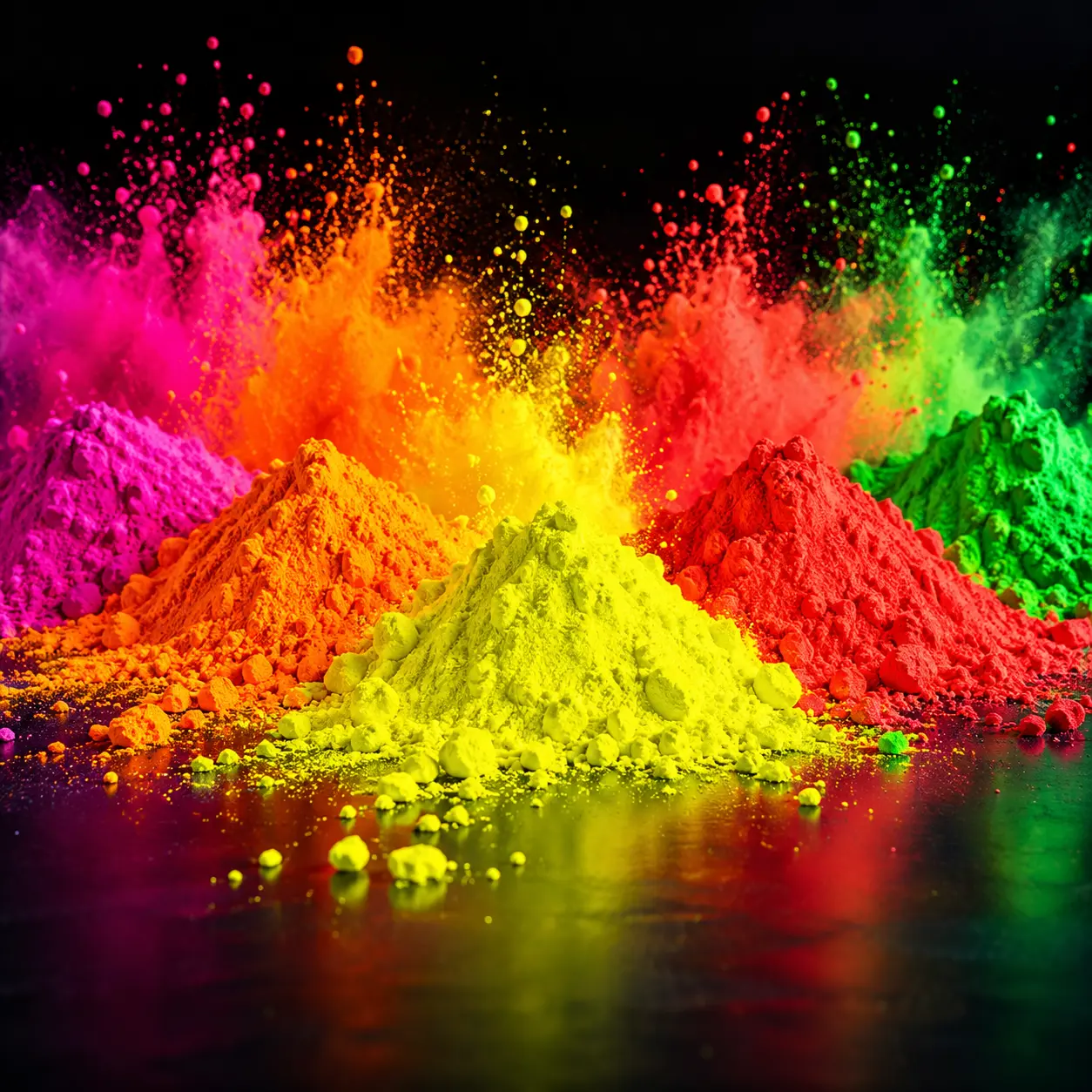
Pigments are colorants that remain insoluble in the application medium and are dispersed as fine solid particles. Their color-producing mechanism is based primarily on the absorption, reflection, and scattering of light by the pigment particles.
Pigments are widely used in plastics, masterbatch, rubber, paints, coatings, and various industrial applications. When selecting a pigment, factors such as color strength, dispersion, heat resistance, lightfastness, chemical resistance, and compatibility with the application system should be evaluated.
Tüver Pigment's organic pigments range includes various organic pigment options suitable for plastics, masterbatch, EVA, PVC, rubber, and different coating and paint applications.
Key Characteristics of Pigments
- They remain insoluble in the application medium.
- They are dispersed as solid particles within the system.
- They can provide high color strength.
- Many pigment types can offer high light and heat resistance.
- They are widely used in plastic and masterbatch production.
- They can create opaque, semi-transparent, or transparent color effects depending on the pigment and formulation.
- Proper dispersion is critical for achieving consistent final color performance.
What Is a Dye?
A dye is a colorant that dissolves in a suitable solvent, polymer, resin, or carrier system and provides coloration at the molecular level.
Unlike pigments, dyes can dissolve within the appropriate medium. This characteristic can make certain dye types particularly useful in applications where transparency and high color intensity are required.
In particular, solvent dyes are used in suitable solvent-based systems and can be considered for applications such as plastics, solvent-based inks, paints, and other industrial coloring processes. Tüver Pigment offers different solvent dye options through its Solvent Dyes product range.
Where Are Solvent Dyes Used?
The application areas of solvent dyes depend on their chemical structure and compatibility with the target system. Certain solvent dyes can be used in solvent-based inks, glass coatings, plastics, polyurethane systems, and other industrial applications.
Therefore, selecting a solvent dye based solely on its color index is not sufficient. The solvent system, resin or polymer, processing temperature, and required performance should also be evaluated.
For example, suitable solvent dyes can be considered when a transparent and intense color effect is required in compatible solvent-based systems.
What Is the Difference Between Pigment and Dye?
The fundamental difference between pigments and dyes is how they behave within the application system.
| Property |
Pigment |
Dye |
| Behavior in the system |
Dispersed as solid particles |
Dissolves in a suitable medium |
| Transparency |
Depends on pigment type and particle characteristics |
Can provide high transparency when properly dissolved |
| Dispersion |
A critical processing parameter |
Solubility and compatibility are more critical |
| Plastic applications |
Very widely used |
Used in selected plastic and resin systems |
| Color appearance |
Can be opaque, semi-transparent, or transparent |
Can provide a more transparent color effect |
Pigment or Dye? Factors That Determine the Choice
Rather than considering one type of colorant universally better than the other, the selection should be based on the requirements of the application. In industrial production, the following factors should be evaluated together.
1. The Raw Material or Application System
First, determine where the colorant will be used. The requirements for PP, PE, PVC, EVA, ABS, polyurethane, silicone, paints, coatings, and other resin systems can vary considerably.
For example, in plastic and masterbatch production, the pigment's compatibility with the polymer, processing temperature, and dispersion performance can be critical factors.
2. Transparency Requirements
If the final product requires opacity and high coverage, pigments can be an important option. If a highly transparent and translucent color effect is required, a suitable dye system may be considered.
3. Heat Resistance
In plastic production, processing temperature is a critical parameter when selecting a colorant. Injection molding, extrusion, and other polymer processing methods can expose colorants to elevated temperatures that may affect color stability.
For this reason, the color index alone should not determine the product selection. The heat resistance specified in the technical data should also be compared with the actual processing conditions.
For example, some organic pigments in Tüver Pigment's product range are designed for applications requiring good thermal stability. Products such as Pigment Yellow 191 can be evaluated for suitable high-temperature plastic applications.
Before selecting a colorant, always compare its technical specifications with the actual requirements of the production process.
Where Are Pigments and Dyes Used?
The choice between pigments and dyes should not be based solely on the required color. The raw material, processing temperature, transparency requirements, light and chemical resistance, and production method should all be considered together.
Both pigments and dyes can be used across plastics, masterbatch, paints, coatings, rubber, inks, and other industrial applications. However, the same colorant will not necessarily provide the same performance in every system.
Plastic and Masterbatch Applications
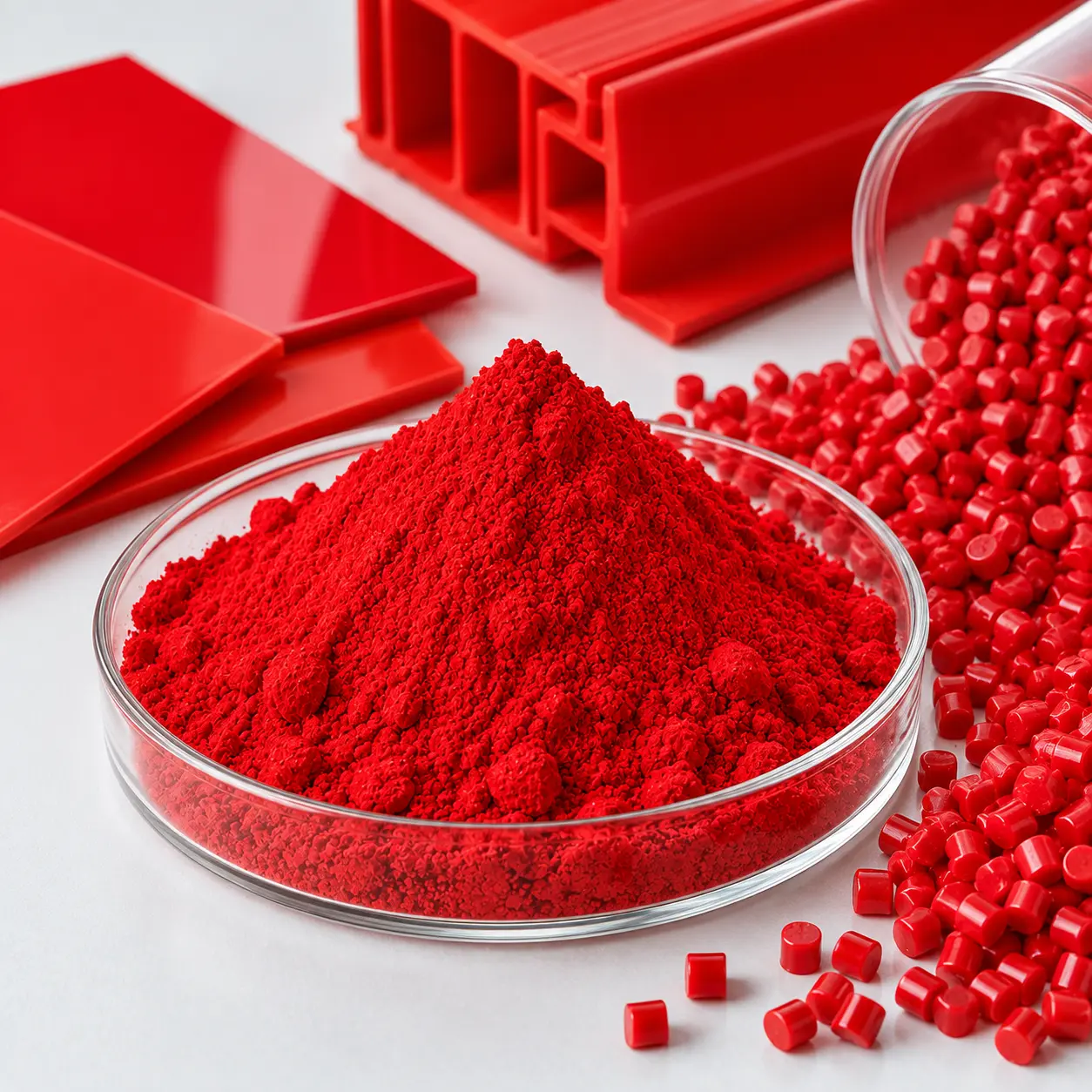
Pigments are among the most widely used colorants in plastic production. When selecting pigments for PP, PE, PVC, ABS, EVA, and other polymers, the processing temperature and thermal stability of the colorant are important considerations.
In masterbatch production, the pigment's performance involves more than the final color. Color strength, dispersion, concentration capability, and compatibility with the carrier polymer can all influence the quality of the finished masterbatch.
For high-pigment-concentration formulations, pigments with good dispersion characteristics and appropriate processing stability can help achieve consistent and homogeneous coloration.
Tüver Pigment offers a range of products through its organic pigments and inorganic pigments categories for different plastic, masterbatch, coating, and industrial applications.
When Can Dyes Be Used in Plastics?
Dyes can be considered in selected plastic systems where a dissolved and more transparent color appearance is required. However, the dye must be compatible with the polymer and the processing conditions.
For transparent plastics where both color intensity and transparency are important, a suitable solvent dye can be evaluated as an alternative to a pigment.
When selecting a dye for plastics, particular attention should be paid to solubility, migration, polymer compatibility, and processing temperature.
Paint and Coating Systems
Pigments have a very broad range of applications in the paint and coatings industry. Organic pigments are commonly considered when high color strength and vivid colors are required, while inorganic pigments can offer different combinations of durability, opacity, and chemical resistance.
In industrial paints and coatings, properties such as lightfastness, chemical resistance, opacity, and dispersion can directly affect the final performance of the coating.
For example, oxide pigments can be evaluated for various paint and coating applications where durability and color stability are important.
Dyes, on the other hand, can be used in selected solvent-based paint and coating systems where the colorant can dissolve properly within the solvent and binder system.
Dyes in Solvent-Based Systems
Solvent dyes are particularly relevant to solvent-based coloring systems. When properly dissolved, they can provide intense and transparent color effects.
For applications where transparency, brightness, and a clear color appearance are required, a suitable solvent dye can therefore be considered.
Tüver Pigment's Solvent Dyes product range includes different colorants intended for compatible plastic and solvent-based industrial applications.
Textile Applications
Pigments and dyes are used differently in textile applications. Pigments are generally applied to the textile surface with the help of a suitable binder, while textile dyes can interact with compatible fibers through different dyeing mechanisms.
Therefore, the answer to “pigment or dye?” in textile applications depends on the fiber type, printing or dyeing process, required color performance, and desired fastness properties.
Durability Properties in Pigment and Dye Selection
The initial color appearance is only one part of colorant selection. The ability of the color to remain stable throughout the product's service life is equally important.
Lightfastness
For products exposed to sunlight or UV radiation, lightfastness is an important selection criterion. Colorants used in outdoor applications should be evaluated according to the expected exposure conditions and required service life.
For plastics, paints, and coatings exposed to prolonged sunlight, selecting a colorant with appropriate lightfastness can help maintain the desired color over time.
Heat Resistance
Processing temperature is one of the most important technical factors in plastic colorant selection. Injection molding, extrusion, and other processes can expose colorants to elevated temperatures.
A pigment or dye with insufficient thermal stability may experience color changes or performance loss during processing. The colorant's recommended temperature range should therefore be compared with the actual production conditions.
Migration and Bleeding
In plastic applications, migration behavior can be an important consideration when comparing different colorant types. An unsuitable colorant may migrate toward the surface over time, potentially causing color transfer or bleeding.
This is particularly relevant in flexible plastics, PVC, packaging-related applications, and other polymer systems where migration performance is important. The selected colorant should therefore be evaluated not only for its color but also for its compatibility with the specific polymer and intended application.
Pigment vs. Dye: Which Property Matters Most?
| Selection Criterion |
Pigment |
Dye |
| High opacity |
Often advantageous |
Generally more suitable for transparent coloration |
| Transparent appearance |
Depends on pigment characteristics and formulation |
Can provide strong transparency in compatible systems |
| High processing temperature |
Thermal stability must be evaluated |
Thermal stability and polymer compatibility must be evaluated |
| Dispersion |
Highly important |
Solubility and compatibility are more important |
| Color strength |
Depends on pigment type and particle characteristics |
Depends on molecular structure and concentration |
| Migration |
Depends on pigment properties and polymer compatibility |
Can be a critical consideration in certain systems |
When Should You Consider a Pigment?
Pigments can be considered when one or more of the following requirements apply:
- High opacity or coverage is required.
- The application involves plastic or masterbatch production.
- High lightfastness is required.
- The production process involves elevated temperatures.
- Long-term color stability is important.
- The application is suitable for a particulate colorant.
- The durability characteristics of an organic or inorganic pigment are beneficial for the application.
When Should You Consider a Dye?
Dyes can be considered particularly when the following conditions apply:
- A transparent or translucent color appearance is required.
- The colorant needs to dissolve within the application system.
- The application is solvent-based.
- High color intensity and brightness are required.
- The selected polymer or resin is compatible with the dye.
- The dye's thermal and chemical properties are compatible with the production process.
What Should You Consider When Choosing Between Pigment and Dye?
Selecting the right colorant should not be based only on the color or price per kilogram. In industrial production, choosing an unsuitable pigment or dye can lead to color variation, processing-related color changes, poor dispersion, migration, surface defects, and insufficient durability.
Before purchasing a colorant, the application system and actual production conditions should therefore be clearly defined whenever possible.
1. Identify the Application System
First determine where the colorant will be used. Plastic, masterbatch, rubber, paint, coating, ink, and different resin systems have different technical requirements.
For example, when selecting a colorant for plastic production, the polymer type and processing temperature are important. In a solvent-based system, however, solubility and compatibility with the solvent and resin can become more critical.
2. Check the Processing Temperature
Processing temperature must be carefully considered, particularly in plastics and masterbatch applications. If a colorant does not have sufficient thermal stability for the production process, it may cause color changes or performance loss.
Before selecting a pigment or dye, determine the actual processing temperature range and compare it with the technical specifications of the colorant.
3. Define the Desired Color Effect
Determine whether the final product requires an opaque, semi-transparent, or transparent appearance.
Pigments can be an important option where high opacity and coverage are required. In compatible systems where a transparent color effect is desired, a suitable solvent dye may be considered.
4. Evaluate Light and Weather Resistance
For plastics, paints, and coatings intended for outdoor use, lightfastness and weather resistance are important selection criteria. If the finished product will be exposed to sunlight for extended periods, the colorant's lightfastness should be evaluated carefully.
Indoor applications may have different durability requirements. Therefore, the goal should be to select a colorant that meets the actual application requirements rather than simply choosing the product with the highest specification.
5. Check Dispersion and Solubility
Good dispersion is critical when using pigments. Insufficient dispersion can result in color variation, pigment agglomeration, color spots, and surface defects.
For dyes, solubility within the intended system is one of the primary considerations. The compatibility between the dye and the solvent, resin, or polymer should be tested before full-scale production.
Why Is Sample Testing Important When Selecting a Pigment or Dye?
Technical data sheets provide an important starting point for product selection. However, testing the colorant under actual production conditions is often the most reliable way to evaluate its performance.
When introducing a new pigment or dye, laboratory or pilot-scale testing can be used to evaluate:
- Color shade
- Color strength
- Dispersion or solubility
- Stability at processing temperature
- Transparency or opacity
- Lightfastness
- Migration and bleeding behavior
- Surface appearance
- Compatibility with the raw material or resin
- Performance under the intended service conditions
When comparing different pigments or dyes within the same color family, sample testing can provide a more reliable basis for selection than relying only on catalog values.
Pigment or Dye? A Quick Selection Guide
| Requirement |
Colorant to Consider |
| Plastic and masterbatch coloration |
Pigments and other colorants suitable for the specific application |
| High opacity |
Suitable pigments |
| Transparent coloration |
Suitable dyes in compatible systems |
| Transparent solvent-based coloration |
Suitable solvent dyes |
| High-temperature plastic processing |
Pigment or dye with suitable thermal stability |
| High lightfastness |
Colorant with durability appropriate for the application |
| High color strength |
Compare the technical performance of suitable pigments and dyes |
Can Pigments and Dyes Be Used Together?
In some formulations, pigments and dyes can be used together. Whether this is technically appropriate depends on the chemical structure of the colorants, solvent, polymer, resin, and production process.
Combining the two may be considered to adjust a color shade, balance transparency and color intensity, or create a particular visual effect. However, compatibility testing should be performed to ensure that the colorants do not negatively affect each other's performance.
Find the Right Colorant with Tüver Pigment
The right colorant is not necessarily the product with the highest color strength or the lowest price per kilogram. The key consideration is whether the product is technically compatible with your application, raw material, and production process.
Tüver Pigment supplies organic and inorganic pigments, solvent dyes, and various plastic additives for different industrial applications.
If you are looking for a colorant for plastic, masterbatch, paint, coating, rubber, or solvent-based applications, sharing your application requirements can help determine which products should be evaluated for your process.
Explore Organic Pigments
Explore Inorganic Pigments
Explore Solvent Dyes
Explore Plastic Additives
Conclusion
The fundamental difference between pigments and dyes is how they behave within an application system. Pigments remain as insoluble particles dispersed throughout the system, while suitable dyes dissolve within compatible media and provide color at the molecular level.
Therefore, the most useful question is not simply “Which one is better?” but rather “Which one is technically suitable for my application?”
For plastics and masterbatch, factors such as thermal stability, color strength, and dispersion can be particularly important. In solvent-based applications, dye solubility, compatibility, and transparent color performance may become more significant.
Defining the application conditions, reviewing technical data, and performing sample testing whenever possible are the most reliable steps toward selecting the appropriate colorant.