
Resource Center
October 08, 2026
What Is Pigment? Pigment Types, Properties, Applications and How to Choose the Right Pigment
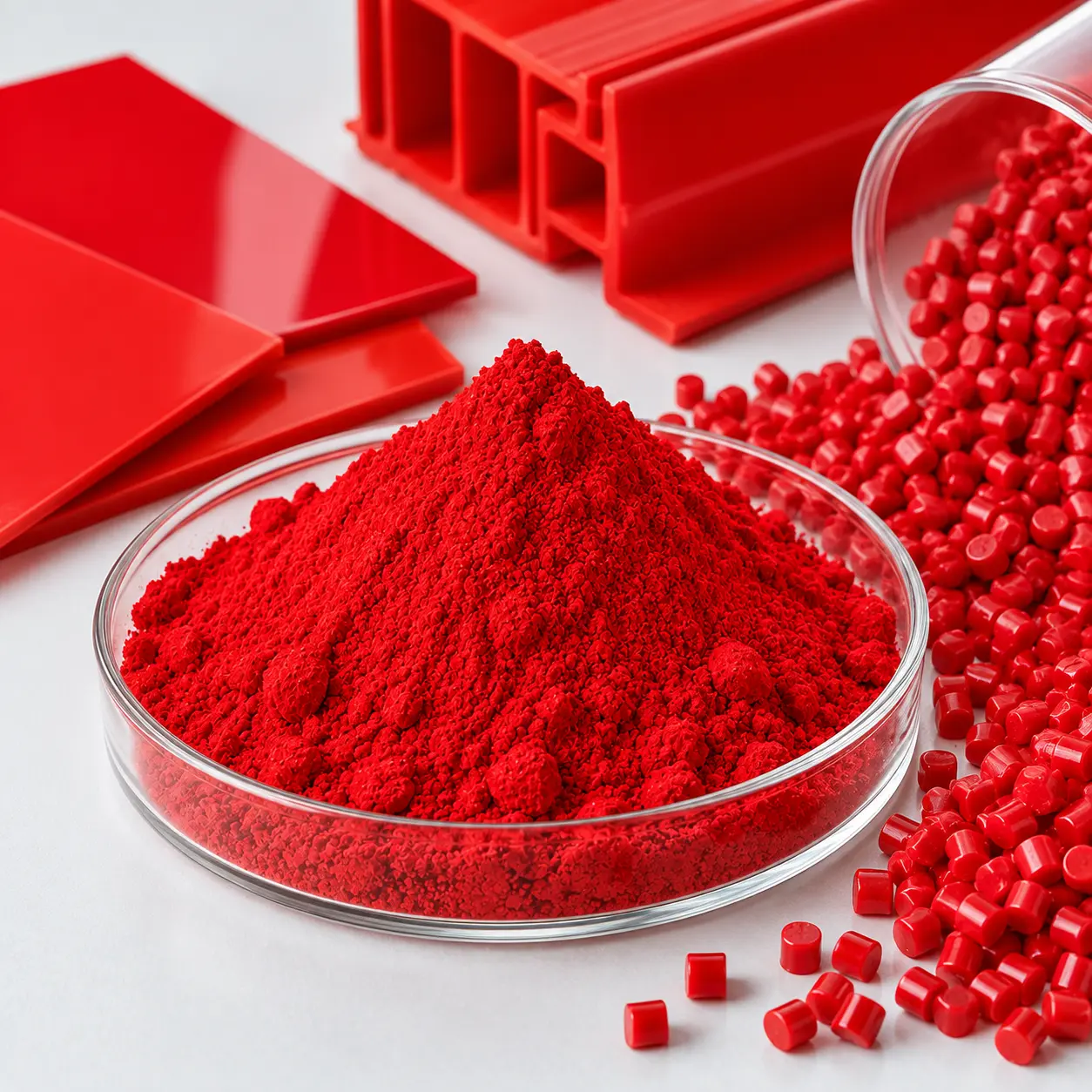
Pigments are fine solid colorants used to give color to paints, coatings, polymers, textiles, printing systems, rubber, epoxy and many other industrial products. Unlike dyes, pigments generally remain insoluble in the application medium and provide color through the interaction of their particles with light.
However, choosing a pigment is not simply a matter of finding the right color. The chemical structure, color strength, lightfastness, heat resistance, dispersion behavior, chemical resistance and compatibility with the application system can all affect the final performance of a pigment.
Today, pigments are used across a wide range of industries, including paints and coatings, plastics, masterbatch, rubber, textiles, printing, epoxy, automotive, cosmetics and various industrial applications. Depending on the required performance and visual effect, manufacturers may use organic pigments, inorganic pigments, pearlescent and effect pigments, fluorescent pigments or phosphor pigments.
In this comprehensive guide, we explain what pigment is, the main pigment types, the differences between organic and inorganic pigments, where pigments are used and how to select the right pigment for an application.
What Is Pigment?
A pigment is a solid colorant that remains essentially insoluble in the medium in which it is used and is distributed as fine particles throughout the system. The resulting color is produced through the absorption, reflection and scattering of light by pigment particles.
The performance of a pigment cannot be evaluated by color alone. Two pigments with similar color appearances may have significantly different color strength, opacity, lightfastness, heat resistance, chemical resistance and dispersion characteristics.
For professional production, pigment selection therefore requires a broader technical assessment than simply asking which color is needed.
Key Properties of Pigments
- They remain insoluble and are dispersed as particles within the application system.
- They provide the desired color and visual appearance.
- They can provide color strength and opacity.
- Depending on the pigment type, they can offer high heat resistance.
- They can provide different levels of light and UV resistance.
- Their chemical and weather resistance varies according to their chemical structure.
- Proper dispersion is critical for uniform color distribution and consistent performance.
You can explore different pigment and colorant product groups for various industrial applications.
What Are the Main Types of Pigments?
Industrial pigments can be classified according to their chemical structure, optical properties, intended application and the visual effects they create. Each pigment group offers different technical advantages and is suitable for different applications.
The most common pigment groups include:
- Organic pigments
- Inorganic pigments
- Pearlescent and effect pigments
- Fluorescent pigments
- Phosphor pigments
Depending on the coloring method and application system, other colorants such as solvent dyes may also be considered. However, pigments and dyes do not work according to the same coloring principle. You can learn more about this distinction in our guide to the difference between pigments and dyes.
Organic Pigments
Organic pigments are carbon-based colorants that are widely used when strong, vivid and bright colors are required. They offer a broad color range and can provide high tinting strength in suitable applications.
However, the technical performance of organic pigments varies considerably depending on their chemical structure. Heat resistance, lightfastness, chemical resistance and migration behavior should therefore be evaluated before selecting a pigment for a specific application.
For this reason, pigment selection should not be based solely on the shade shown in a color chart. The pigment must also be compatible with the production process and final application requirements.
You can explore different organic pigments and compare their available color and technical characteristics.
Key Advantages of Organic Pigments
- High tinting strength
- Bright and vivid color options
- Wide color range
- Strong coloration at relatively low dosage in suitable systems
- Different technical grades for different production processes
Inorganic Pigments
Inorganic pigments are generally based on mineral structures and various metal oxide compounds. They are particularly important in applications where heat resistance, UV resistance, weather resistance and chemical stability are required.
Many inorganic pigments offer strong opacity and long-term color stability. These characteristics make them suitable for industrial paints, coatings, construction materials, ceramics and other demanding applications.
As with organic pigments, the performance of inorganic pigments varies according to their specific chemical structure. Production temperature, application environment and required color performance should therefore be considered when selecting an inorganic pigment.
For more information, explore the range of inorganic pigments.
Key Advantages of Inorganic Pigments
- High heat resistance in suitable pigment grades
- Strong UV and weather resistance
- Good opacity
- Long-term color stability
- Suitability for a wide range of industrial applications
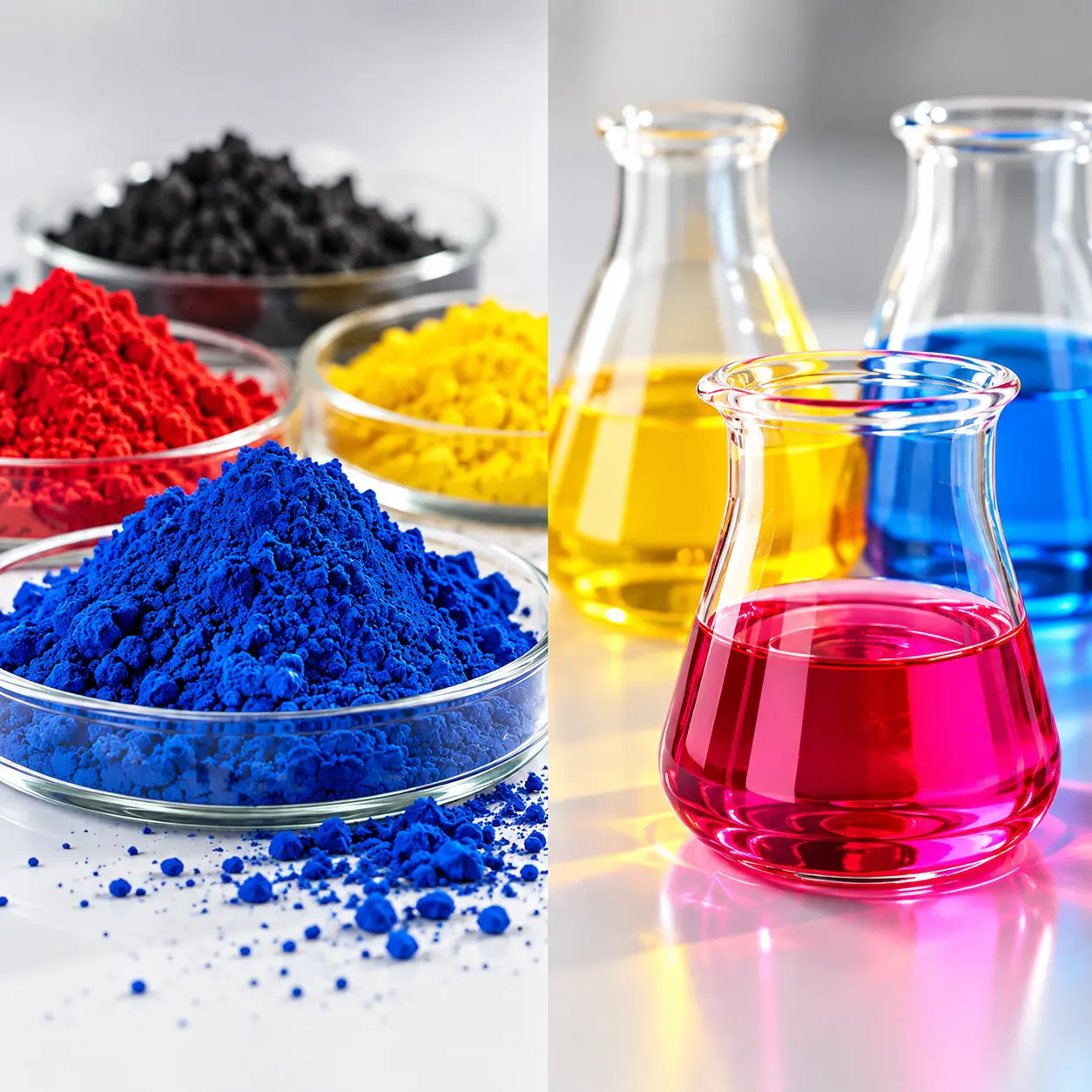
What Is the Difference Between Organic and Inorganic Pigments?
The primary difference between organic and inorganic pigments is their chemical structure. This structural difference can affect color intensity, tinting strength, heat resistance, UV resistance, opacity and chemical stability.
| Property | Organic Pigments | Inorganic Pigments |
|---|---|---|
| Chemical structure | Carbon-based organic compounds | Mineral and metal oxide-based structures |
| Color intensity | Generally high | Varies depending on pigment type |
| Tinting strength | Generally high | Varies depending on pigment type |
| Heat resistance | Depends on the pigment | Often high |
| UV and light resistance | Depends on the pigment | Often high |
| Opacity | Varies according to pigment structure | Often strong |
Pearlescent and Effect Pigments
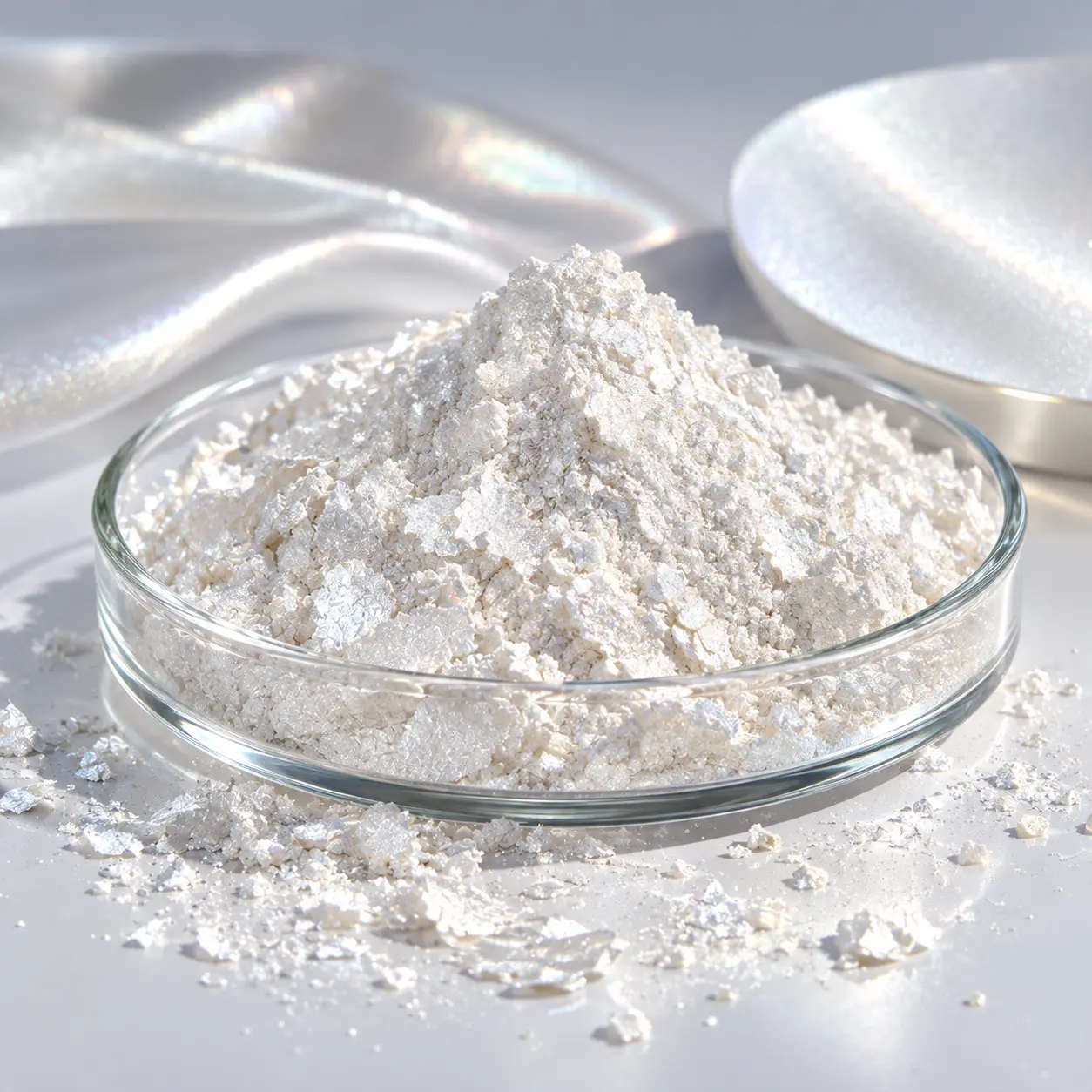
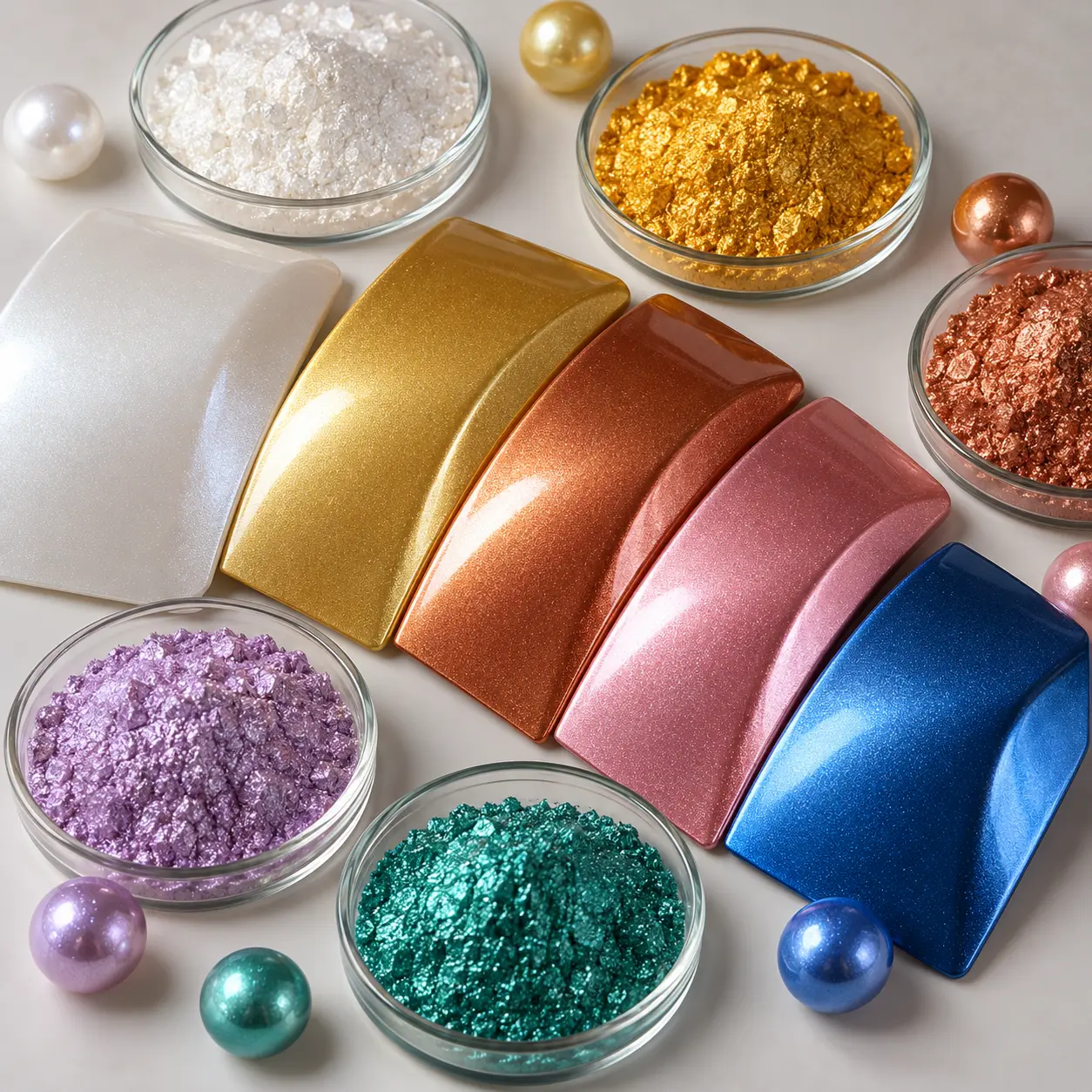
Pearlescent and effect pigments are used not only to add color but also to create pearl, metallic, shimmering and other special visual effects. Their optical appearance is produced through the interaction of light with the pigment particles and their surface structure.
These pigments are particularly useful in applications where the visual appearance of the finished surface is important. Particle size, pigment structure, orientation and application thickness can all influence the final effect.
You can explore different pearlescent and effect pigments for decorative and industrial applications.
Applications of Pearlescent Pigments
- Industrial and decorative paints
- Coating systems
- Epoxy applications
- Automotive and decorative surfaces
- Hobby and artistic applications
- Special-effect surface finishes
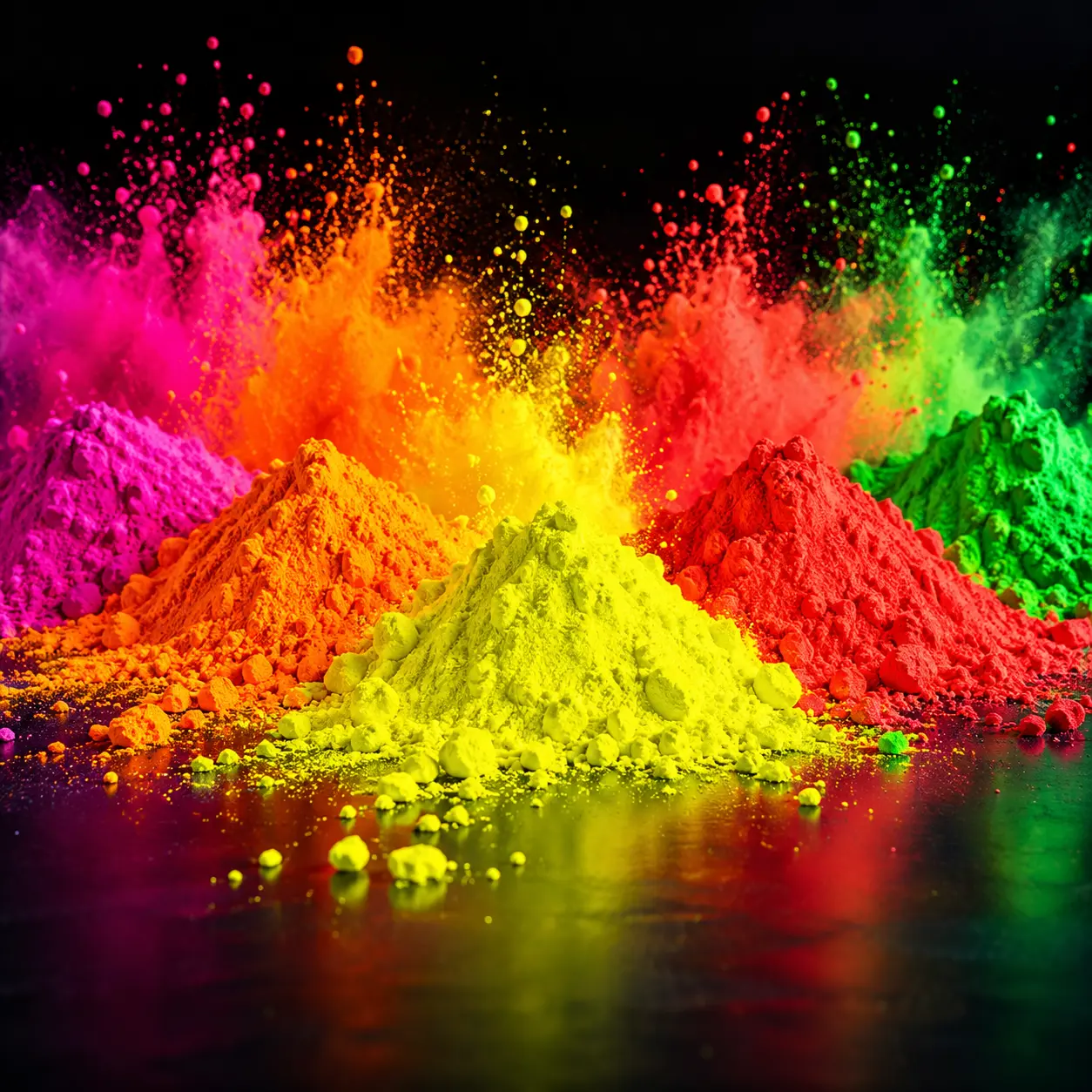
Fluorescent Pigments
Fluorescent pigments are specialized pigments designed to produce exceptionally bright and vivid colors. They absorb certain wavelengths of light and re-emit part of that energy, creating a visually intense appearance.
In fluorescent pigment applications, brightness is only one consideration. The binder system, application thickness, dispersion quality and lighting conditions can all influence the final appearance and performance.
You can explore different colors and product options in the fluorescent pigments category.
Applications of Fluorescent Pigments
- Screen printing
- Textile printing
- Decorative paints
- Hobby and artistic products
- Applications requiring high visual visibility
Phosphor Pigments
Phosphor pigments are specialized pigments capable of absorbing energy from a light source and subsequently emitting light for a period of time. This property makes them suitable for creating glow-in-the-dark surfaces and decorative effects.
The performance of phosphor pigments can be influenced by exposure time, pigment concentration, application thickness and the binder system used.
You can learn more about available options by exploring the phosphor pigments category.
Where Are Pigments Used?
Pigments are used across a wide range of manufacturing and application areas to provide color, opacity or special visual effects. The appropriate pigment type depends on the production process, application method and technical performance required from the final product.
Pigments in Paints and Coatings
In paints and coatings, pigments are used not only to create color but also to contribute to opacity, surface appearance and color stability. The compatibility of the pigment with the binder system should be considered when working with water-based, solvent-based or resin-based formulations.
For exterior applications, lightfastness and weather resistance may be particularly important. For interior applications, factors such as color shade, opacity and dispersion may have greater importance.
Pigments in Plastic and Polymer Applications
In plastic and polymer-based production, pigment selection requires more than choosing the desired color. Heat resistance, dispersion, migration behavior and compatibility with processing conditions should also be evaluated.
Not every pigment can withstand high processing temperatures. The recommended processing temperature and thermal stability of the pigment should therefore be checked before production.
Pigments in Textile Applications
In the textile industry, pigments are commonly used in printing systems to create color on fabrics and other textile substrates. Color strength, adhesion, wash resistance, lightfastness and compatibility with the printing system can all influence pigment selection.
Pigments in Epoxy and Resin Systems
In epoxy and other resin systems, pigments can be used both for coloration and for creating decorative surface effects. Pearlescent, metallic and other effect pigments can be particularly useful when a distinctive visual finish is required.
Pigments in Rubber and Elastomer Applications
When pigments are used in rubber and elastomer systems, their compatibility with processing temperatures, chemicals and the specific elastomer should be evaluated. In systems such as EPDM, heat resistance, dispersion and long-term color stability can be important selection criteria.
What Should You Consider When Choosing a Pigment?
Selecting the right pigment is not simply about finding the correct shade. The pigment must be suitable for the production process and the intended end-use conditions.
1. Color Shade and Tinting Strength
The first consideration is usually the required color shade. However, pigments within the same color family can have significantly different tinting strengths. A pigment with higher tinting strength may achieve the desired color intensity at a lower dosage in a suitable system.
For a more detailed explanation, see our guide to pigment tinting strength and color strength.
2. Heat Resistance
For systems exposed to elevated processing temperatures, thermal stability is a critical pigment property. Insufficient heat resistance can result in color shifts, shade changes or loss of performance during processing.
3. Light and UV Resistance
If the finished product will be exposed to sunlight or intense artificial light, the pigment's lightfastness should be evaluated. For outdoor applications, insufficient UV resistance can lead to gradual fading or color changes.
4. Dispersion Properties
Uniform dispersion of pigment particles throughout the system is essential for consistent color performance. Poor dispersion can lead to color variation, speckling, agglomeration and lower-than-expected tinting strength.
5. Compatibility with the Application System
The pigment should be compatible with the binder, resin, solvent, polymer or other components used in the formulation. A pigment that performs well in one system may not provide the same result in another.
6. Chemical Resistance
If the finished product will be exposed to chemicals, solvents, detergents or other aggressive environments, the pigment's chemical resistance should also be considered during product selection.
Why Is Pigment Tinting Strength Important?
Tinting strength is an important performance characteristic that indicates how strongly a pigment can influence the color of a system at a given concentration. It is particularly relevant in industrial production because it can affect both color consistency and formulation efficiency.
A pigment with high tinting strength may help achieve the desired color intensity with a lower dosage in suitable applications. However, high tinting strength alone does not mean that a pigment is the best choice for every application.
Tinting strength should be evaluated together with heat resistance, lightfastness, dispersion, chemical resistance and compatibility with the intended application system.
Common Mistakes When Choosing Pigments
Choosing the right pigment is not simply a matter of selecting a color from a color chart. If production conditions, application methods and end-use requirements are not considered, problems such as color variation, poor dispersion and reduced durability can occur.
Choosing a Pigment Based Only on Color
One of the most common mistakes is selecting a pigment solely according to its color shade. Different pigments within the same color family can have significantly different tinting strength, lightfastness, heat resistance, opacity and dispersion characteristics.
A better approach is to identify the required color first and then evaluate the pigment's technical properties according to the actual application conditions.
Ignoring Processing Temperature
Thermal stability is particularly important in applications involving elevated processing temperatures. If a pigment is not suitable for the processing conditions, it may cause color shifts, shade changes or loss of performance during production.
The pigment's recommended temperature range and thermal stability should therefore be checked before selecting a product.
Overlooking Dispersion Properties
A technically high-performance pigment does not necessarily disperse easily in every formulation. Uniform distribution of pigment particles throughout the system can directly affect tinting strength, surface appearance and color consistency.
If problems such as agglomeration, speckling or uneven coloration occur, both the pigment's dispersion behavior and the production process should be evaluated.
Why Is Pigment Dispersion Important?
Pigment dispersion refers to the process of distributing pigment particles as uniformly as possible throughout an application system. Good dispersion helps the pigment deliver its intended color performance more efficiently.
Dispersion quality can be influenced by particle size, surface characteristics, binder selection, dispersant type, mixing energy, processing time and temperature.
As a result, the same pigment can produce different results under different production conditions.
Benefits of Good Pigment Dispersion
- More uniform color distribution
- More consistent color shade
- Improved tinting strength
- Smoother surface appearance
- Reduced risk of agglomeration
- Better color consistency between production batches
What Affects Pigment Prices?
Pigment prices depend on several factors rather than a single variable. Chemical structure, technical performance, production technology, origin, tinting strength, durability characteristics and purchase volume can all influence the price of a pigment.
Two pigments within the same color family may have significantly different prices because their technical properties, production costs and performance characteristics can differ considerably.
For professional purchasing, it is therefore useful to evaluate more than the price per kilogram. The dosage required to achieve the target color and the pigment's performance during production should also be considered.
Bulk Pigment Supply
For manufacturers that use pigments regularly, supply continuity, batch-to-batch consistency and reliable delivery can be just as important as the purchase price.
When selecting a pigment supplier, technical product information, sample availability, stock position, delivery conditions and long-term supply capacity should be evaluated together.
What Should You Look for in a Pigment Supplier?
A professional pigment supplier should provide more than a product. Technical guidance, product consistency and the ability to identify suitable pigment options for specific applications can be important parts of the purchasing process.
When evaluating a pigment supplier, consider:
- Product range
- Technical data sheets and product information
- Sample and application testing support
- Stock availability and supply continuity
- Batch-to-batch color consistency
- Product origin and quality control
- Bulk purchasing and regular supply options
- Technical support after purchase
You can explore different pigment and colorant categories on the product page.
How to Choose the Right Pigment
The right pigment should be selected by first defining the application and production process. Color requirements, processing conditions and required technical performance should then be evaluated together.
| Selection Criterion | Why It Matters |
|---|---|
| Color shade | Determines whether the finished product reaches the desired color. |
| Tinting strength | Influences the dosage required and the resulting color intensity. |
| Heat resistance | Helps maintain color stability during high-temperature processing. |
| Lightfastness | Helps limit color changes caused by light and UV exposure. |
| Dispersion | Supports uniform color distribution and consistent surface appearance. |
| Chemical resistance | Helps maintain pigment performance in chemical and solvent exposure. |
| System compatibility | Ensures compatibility with the binder, resin, polymer or other formulation components. |
Why Should Pigment Samples Be Tested?
Technical data sheets provide an important starting point for pigment selection. However, actual performance should be evaluated in the specific formulation or production system where the pigment will be used.
Testing a sample before regular purchasing can help evaluate color shade, tinting strength, dispersion, surface appearance and process compatibility.
This approach can also help identify potential color differences and processing issues before full-scale production begins.
Are Pigments and Dyes the Same?
No. Pigments and dyes are different types of colorants that work according to different coloring principles. Pigments generally remain insoluble in the application medium and are dispersed as particles, while dyes dissolve in a suitable solvent or medium to produce coloration.
Because of this fundamental difference, the choice between a pigment and a dye depends on the application method, carrier system and requirements of the final product.
For a detailed comparison, read Pigment vs. Dye: Which One Should You Use?.
Why Is a Technical Data Sheet Important When Choosing a Pigment?
A technical data sheet is one of the most useful resources when evaluating whether a pigment is suitable for an application. Information such as Color Index, heat resistance, lightfastness, density, particle characteristics and recommended applications can help guide the selection process.
However, technical data should always be evaluated together with the actual production conditions. The same pigment can perform differently depending on the binder system, formulation and processing conditions.
What Should You Consider When Buying Pigments?
Before purchasing a pigment, define not only the required color but also the application and technical requirements. For industrial production, it is particularly important to confirm product consistency and reliable supply when regular purchasing is planned.
- Define the required color and Color Index.
- Identify the application system and production process.
- Check the required heat resistance.
- Evaluate lightfastness and UV resistance.
- Compare tinting strength and dispersion characteristics.
- Conduct a sample application test.
- Review technical and safety documentation.
- Confirm long-term product availability and supply continuity.
How Should Pigments Be Stored?
Proper storage conditions are important for maintaining pigment quality. Pigments should generally be kept in a clean, dry environment away from direct sunlight and stored in properly closed packaging.
Moisture, excessive heat and prolonged exposure to unsuitable storage conditions may affect the physical properties and handling characteristics of some pigments. The storage recommendations provided by the manufacturer or supplier should therefore be followed.
Frequently Asked Questions About Pigments
What is a pigment?
A pigment is a solid colorant that generally remains insoluble in the application medium and creates color by being dispersed as fine particles. Pigments can have different levels of tinting strength, lightfastness, heat resistance and opacity.
What are the main types of pigments?
The main pigment categories include organic pigments, inorganic pigments, pearlescent and effect pigments, fluorescent pigments and phosphor pigments.
Should I use an organic or inorganic pigment?
The choice depends on the application. Some organic pigments may offer advantages when vivid color and high tinting strength are required, while suitable inorganic pigments may be preferred where high heat, light or weather resistance is more important.
Why do pigment prices vary?
Pigment prices can vary according to chemical structure, technical performance, tinting strength, durability, manufacturing cost, origin and purchase volume.
Should pigments be tested before purchasing?
Yes. Particularly for industrial applications, testing a pigment in the actual production system helps evaluate color shade, tinting strength, dispersion and process compatibility before regular supply begins.
Conclusion: Why Is Choosing the Right Pigment Important?
Pigment selection can affect more than the color of a finished product. It can also influence appearance, color stability, processing performance and long-term durability. For this reason, color shade should be evaluated together with tinting strength, heat resistance, lightfastness, dispersion, chemical resistance and system compatibility.
From organic and inorganic pigments to pearlescent, effect, fluorescent and phosphor pigments, each pigment group offers different technical advantages. The most suitable choice should always be based on the specific requirements of the product and production process.
To explore pigment options for different applications, visit the pigment product range and compare the available product categories.