
Resource Center
July 27, 2026
What is Masterbatch? A Complete Guide to Choosing the Right Pigments for Masterbatch Manufacturing | Tüver Pigment
The plastics industry is one of the world's largest manufacturing sectors, serving industries such as automotive, packaging, construction, electronics, household appliances, medical devices, agriculture and consumer goods. While the mechanical properties of plastic products are essential, their color consistency, appearance, weather resistance and long-term durability are equally important. One of the key materials that makes these properties possible is masterbatch.
Masterbatch is a concentrated mixture of pigments, additives and a carrier resin used to color plastics or improve their functional properties. Compared to using powder pigments directly, masterbatch offers cleaner production, more accurate dosing, better pigment dispersion and consistent color quality throughout the manufacturing process.
Choosing the correct pigment for masterbatch production is one of the most critical factors affecting product quality. Pigments with poor heat resistance, insufficient dispersion or low UV stability can lead to color variation, surface defects and production losses. Selecting high-quality pigments helps manufacturers achieve stable production, reduce waste and produce high-performance plastic products.
In this comprehensive guide, we explain what masterbatch is, how it is manufactured, where it is used and how to select the right pigments for different plastic applications.
What is Masterbatch?
Masterbatch is a concentrated mixture of pigments and functional additives dispersed in a polymer carrier resin. During plastic processing, a small amount of masterbatch is blended with natural polymer to achieve the desired color or performance characteristics.
Because pigments are already uniformly dispersed inside the carrier resin, masterbatch provides excellent color consistency, cleaner processing and easier handling compared to loose powder pigments.
Masterbatch products are generally divided into three main categories.
- Color Masterbatch
- Additive Masterbatch
- Combination Masterbatch
Color Masterbatch
Color masterbatch is designed to provide consistent coloration for plastic products. It is widely used in injection molding, blow molding, extrusion and film production.
For applications requiring high color strength and vibrant shades, our Organic Pigments provide excellent performance.
Products such as Pigment Blue 15:3 and Pigment Blue 15:0 are widely preferred for their outstanding color strength, dispersion performance and processing stability in masterbatch production.
Additive Masterbatch
Additive masterbatch improves the functional performance of plastic products by incorporating special additives such as UV stabilizers, antioxidants, anti-block agents, slip additives and antistatic agents.
These additives help improve product durability, processing efficiency and long-term performance under demanding conditions.
Combination Masterbatch
Combination masterbatch integrates pigments and performance additives into a single product, simplifying production while reducing handling time and improving manufacturing efficiency.
How is Masterbatch Manufactured?
Producing high-quality masterbatch requires much more than simply mixing pigments with polymer. Every production stage directly influences the final product's color consistency, dispersion quality and mechanical performance.
1. Pigment Selection
Selecting the appropriate pigment is the foundation of successful masterbatch production.
The selected pigment should provide:
- Excellent heat resistance
- High light fastness
- Chemical resistance
- Superior dispersion
- Low migration
- Strong coloring strength
Applications requiring brilliant colors generally use organic pigments, while applications demanding outstanding heat resistance and weather stability often rely on inorganic pigments.
2. Carrier Resin Selection
The pigment is incorporated into a carrier resin compatible with the final plastic application. Common carrier resins include PP, PE, ABS, PET, PS, PVC and PA.
Selecting the proper carrier resin ensures excellent compatibility, optimal dispersion and consistent product quality.
3. High-Intensity Mixing
The pigments and additives are thoroughly mixed to ensure uniform distribution before extrusion. Proper dispersion minimizes pigment agglomeration and ensures consistent coloration throughout every granule.
4. Twin-Screw Extrusion
The prepared formulation is processed through a twin-screw extruder under carefully controlled temperatures. Maintaining the correct processing temperature is essential to preserve pigment stability and color performance.
5. Cooling and Pelletizing
The extruded material is cooled and pelletized to produce uniform masterbatch granules ready for use in plastic manufacturing.
Why is Pigment Selection Critical in Masterbatch Manufacturing?
Pigments are not simply coloring agents. In masterbatch manufacturing, they directly influence processing stability, product appearance, weather resistance, production efficiency and the overall quality of the finished plastic product. Selecting the wrong pigment may result in color inconsistency, poor dispersion, surface defects, increased scrap rates and higher production costs.
Manufacturers operating in the automotive, packaging, consumer goods and construction industries require consistent color quality throughout every production batch. Therefore, selecting technically suitable pigments is just as important as choosing the right polymer or processing conditions.
High-quality pigments provide numerous manufacturing advantages, including:
- Excellent color consistency
- Superior dispersion performance
- Reduced production waste
- Higher process efficiency
- Improved UV resistance
- Better heat stability
- Long-lasting color durability
- Enhanced customer satisfaction
Key Pigment Properties for High-Performance Masterbatch
Heat Resistance
Heat resistance is one of the most important criteria when selecting pigments for masterbatch production. Plastic processing temperatures typically range between 180°C and 320°C depending on the polymer being processed.
Pigments with insufficient thermal stability may experience:
- Color shift
- Burning or degradation
- Loss of tint strength
- Reduced mechanical performance
- Lower production quality
For high-temperature applications, Inorganic Pigments are generally preferred because of their excellent thermal stability.
Light Fastness
Light fastness refers to a pigment's ability to maintain its original color when exposed to sunlight or artificial UV radiation.
Outdoor plastic products such as garden furniture, automotive components, construction materials and agricultural equipment require pigments with excellent light fastness to prevent:
- Color fading
- Surface dullness
- Discoloration
- Premature aging
Dispersion Performance
Dispersion describes how uniformly pigment particles are distributed throughout the polymer matrix.
Excellent dispersion provides:
- Uniform coloration
- Smooth surface appearance
- Higher gloss
- Lower pigment consumption
- Improved production efficiency
Poor dispersion may lead to visible streaks, black specks, uneven color distribution and processing difficulties.
Products such as Pigment Blue 15:3 are widely recognized for their outstanding dispersion performance in masterbatch applications.
Chemical Resistance
Many plastic products are exposed to chemicals throughout their service life. Therefore, pigments should maintain their stability when exposed to acids, alkalis, oils, detergents and various industrial chemicals.
High chemical resistance helps preserve color stability even under harsh operating conditions.
Migration Resistance
Migration refers to the movement of pigment molecules from the plastic matrix to the product surface or surrounding materials.
Low migration is especially important for:
- Food packaging
- Toys
- Cosmetic packaging
- Household appliances
- Medical plastic products
Premium-quality pigments maintain their appearance over many years without bleeding or migrating.
Organic Pigments vs. Inorganic Pigments
Both organic and inorganic pigments play an important role in masterbatch manufacturing. The best choice depends on the application's technical requirements.
| Property | Organic Pigments | Inorganic Pigments |
|---|---|---|
| Color Brightness | ★★★★★ | ★★★☆☆ |
| Color Strength | ★★★★★ | ★★★☆☆ |
| Heat Resistance | ★★★☆☆ | ★★★★★ |
| UV Resistance | ★★★☆☆ | ★★★★★ |
| Outdoor Durability | ★★★☆☆ | ★★★★★ |
| Weather Resistance | ★★★☆☆ | ★★★★★ |
Manufacturers seeking brilliant shades and high tinting strength generally prefer organic pigments, while applications requiring outstanding durability, weather resistance and thermal stability often rely on inorganic pigments.
Common Mistakes in Masterbatch Production
Many production problems can be avoided by selecting the correct pigment and maintaining proper processing conditions.
The most common mistakes include:
- Selecting the wrong pigment grade
- Using low-quality raw materials
- Poor pigment dispersion
- Incorrect processing temperatures
- Incompatible carrier resin selection
- Improper dosing ratios
- Moisture contamination
- Insufficient quality control
Working with high-quality pigments and additives significantly reduces production risks while improving product consistency and manufacturing efficiency.
Choosing the Right Pigment for Different Polymer Types
Different polymers require different pigment characteristics to achieve optimal processing performance and color consistency. Selecting pigments according to the polymer type helps improve production efficiency, reduce scrap rates and ensure long-term product quality.
Polypropylene (PP)
Polypropylene is one of the most widely used polymers in masterbatch manufacturing. It is commonly used for injection molding, packaging, household goods, automotive components and textile applications.
Pigments used in PP masterbatch should provide:
- Excellent heat resistance
- High tinting strength
- Good dispersion performance
- Low migration
- Long-term color stability
For brilliant blue shades, Pigment Blue 15:3 is one of the industry's preferred pigments due to its outstanding color strength and processing performance.
Polyethylene (PE)
Polyethylene is widely used in blown film, shopping bags, packaging films, bottles and pipe production.
PE applications require pigments that disperse easily while maintaining excellent color strength at low dosage levels. Stable color performance is especially important in thin-wall film applications where even small color variations become visible.
ABS
ABS is commonly used for automotive interiors, electrical housings, consumer electronics and premium household appliances.
Since ABS products often require glossy surfaces and premium appearance, pigments should deliver excellent dispersion, heat stability and long-term color consistency.
PET
PET processing involves relatively high processing temperatures, making thermal stability one of the most critical pigment selection criteria.
Proper pigment selection helps maintain color consistency while preventing degradation during processing.
Pearl Effect Pigments in Masterbatch Applications
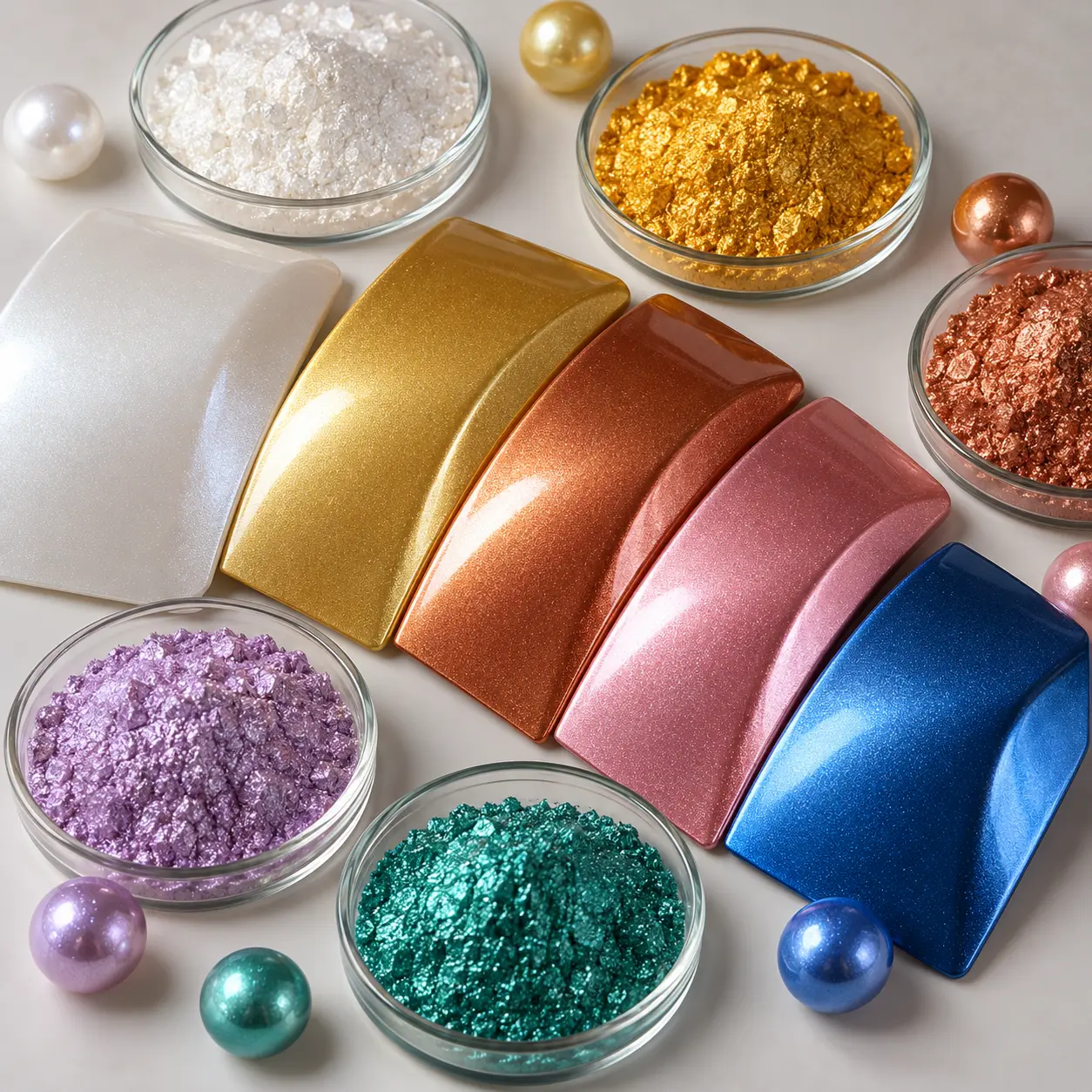
Modern plastic products increasingly demand decorative finishes in addition to functional performance. Metallic, pearlescent and shimmering effects enhance product appearance and increase perceived product value.
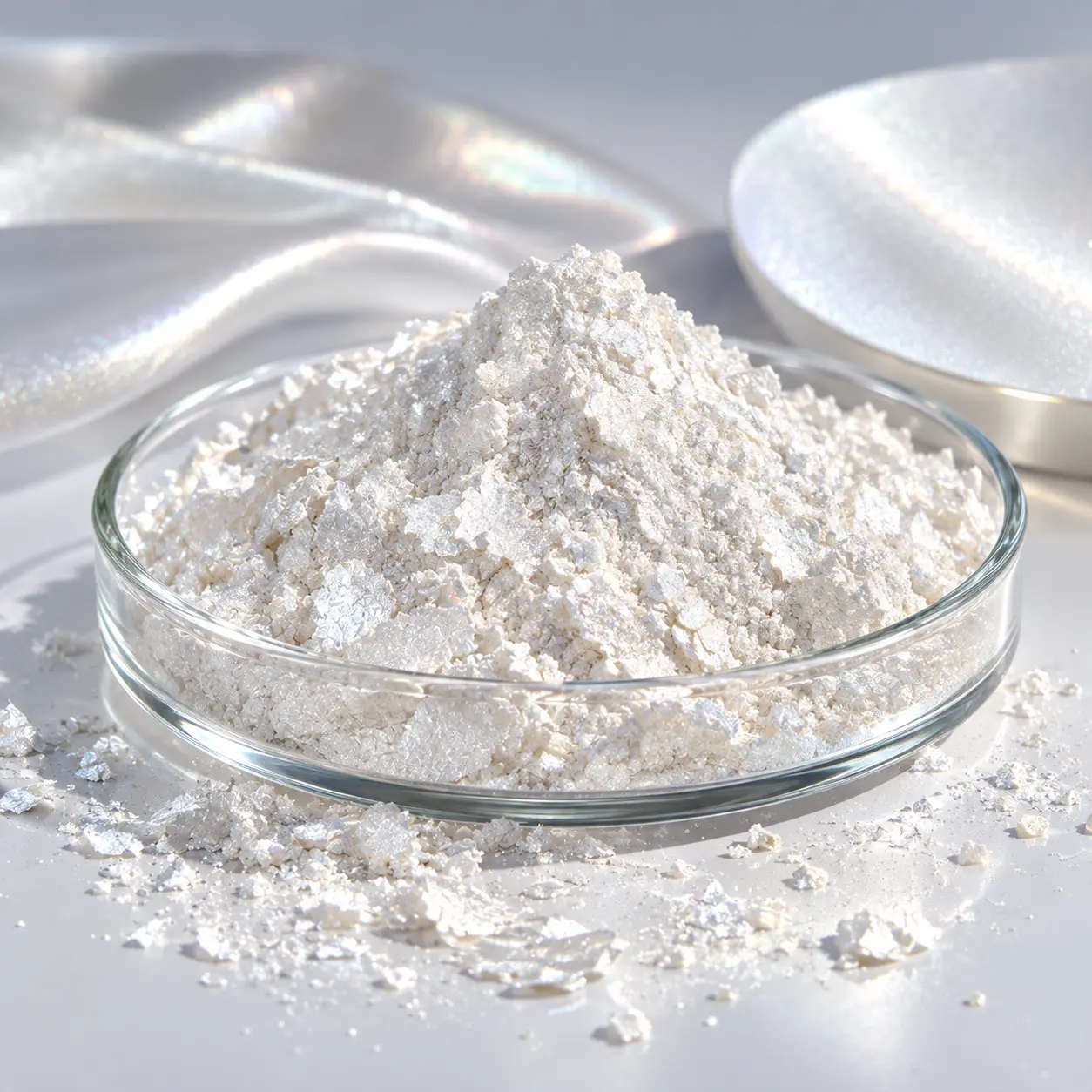
Pearl Effect Pigments are widely used to create these premium visual effects.
Typical applications include:
- Automotive interior trim
- Cosmetic packaging
- Luxury consumer products
- Home appliances
- Decorative plastic components
Pearl pigments provide excellent depth, metallic brilliance and elegant visual effects without compromising processing performance.
Fluorescent Pigments for High-Visibility Plastics
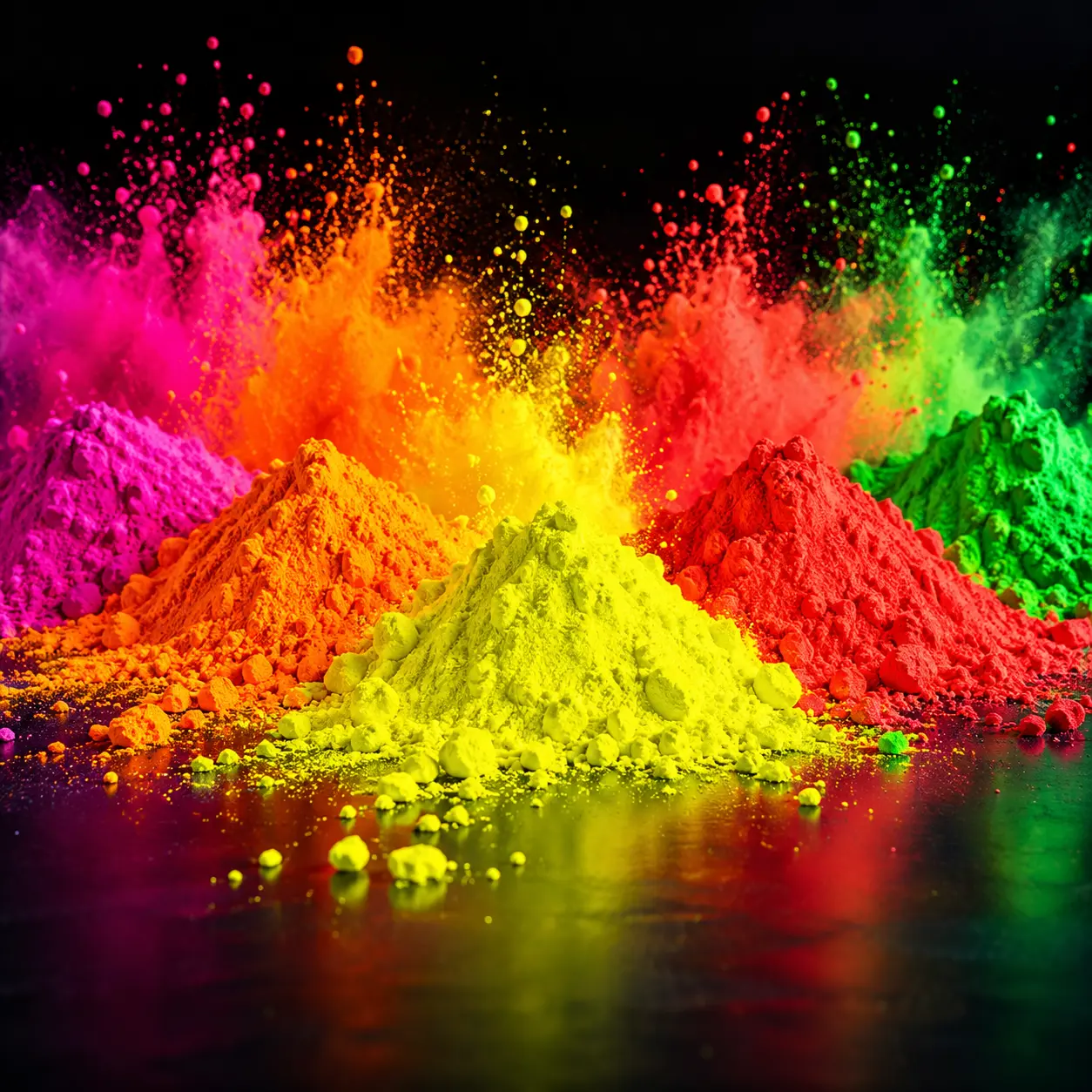
Fluorescent pigments produce extremely bright colors that attract attention under daylight and UV light conditions.
Fluorescent Pigments are commonly used in:
- Safety products
- Toys
- Advertising displays
- Sports equipment
- Industrial marking systems
Their exceptional brightness makes them ideal where maximum visibility is required.
Phosphorescent Pigments
Unlike fluorescent pigments, phosphorescent pigments absorb light energy and release it gradually in darkness.
Phosphorescent Pigments are suitable for:
- Emergency exit signs
- Safety markings
- Decorative consumer products
- Toys
- Industrial safety applications
Glow-in-the-dark masterbatch solutions continue to gain popularity across multiple industries.
The Role of Plastic Additives in Masterbatch
While pigments provide color, plastic additives enhance product performance and processing efficiency.
Modern masterbatch formulations frequently include additives that improve:
- UV resistance
- Scratch resistance
- Slip performance
- Anti-block properties
- Antistatic behavior
- Weather resistance
- Oxidation stability
- Processing efficiency
Learn more about our Plastic Additives designed for demanding plastic applications.
Why Choose Tüver Pigment?
Tüver Pigment supplies high-quality pigment and additive solutions for the plastics, coatings and industrial manufacturing industries.
Our product portfolio includes:
- Organic Pigments
- Inorganic Pigments
- Pearl Effect Pigments
- Fluorescent Pigments
- Phosphorescent Pigments
- Plastic Additives
- Solvent Dyes
- Glitter Powders
We focus on providing reliable raw materials that help manufacturers improve production efficiency, product quality and color consistency while meeting international quality standards.
Frequently Asked Questions (FAQ)
What is masterbatch used for?
Masterbatch is used to add color or functional properties to plastic products. It provides consistent coloration, easier processing, improved production efficiency and better product quality across various plastic manufacturing processes.
Why is pigment selection important in masterbatch manufacturing?
Pigment selection directly affects color consistency, heat resistance, UV stability, dispersion quality and the overall performance of the finished plastic product. Choosing the right pigment reduces production waste while improving product quality.
What is the difference between organic and inorganic pigments?
Organic pigments are known for their brilliant colors and high tinting strength, making them ideal for vibrant plastic products. Inorganic pigments offer superior heat resistance, weather resistance and UV stability, making them suitable for demanding industrial applications.
Which industries use masterbatch?
Masterbatch is widely used in automotive, packaging, construction, household appliances, electrical and electronics, agriculture, toys, medical products, consumer goods and industrial plastic manufacturing.
Can masterbatch improve production efficiency?
Yes. High-quality masterbatch improves pigment dispersion, ensures consistent coloration, reduces dust contamination, minimizes scrap rates and enables more efficient production.
What additives are commonly used in masterbatch?
Common additives include UV stabilizers, antioxidants, anti-block agents, slip additives, antistatic agents, flame retardants and processing aids that improve both manufacturing efficiency and product performance.
Conclusion
Masterbatch has become an essential component of modern plastic manufacturing. Selecting the right pigments is not simply about achieving the desired color—it directly influences processing stability, production efficiency, product durability and long-term customer satisfaction.
Whether manufacturing packaging materials, automotive components, household products or technical plastic parts, choosing pigments with excellent heat resistance, superior dispersion, strong UV stability and reliable chemical resistance is crucial for consistent product quality.
At Tüver Pigment, we supply high-quality pigment solutions for a wide range of plastic applications. Our portfolio includes Organic Pigments, Inorganic Pigments, Pearl Effect Pigments, Fluorescent Pigments, Phosphorescent Pigments, Plastic Additives and other specialty color solutions designed to meet the highest quality standards.
With extensive industry experience and a commitment to consistent quality, Tüver Pigment helps manufacturers improve production efficiency, enhance product appearance and achieve reliable long-term performance across diverse plastic applications.
Related Products
- Organic Pigments
- Inorganic Pigments
- Pearl Effect Pigments
- Fluorescent Pigments
- Phosphorescent Pigments
- Plastic Additives
- Solvent Dyes
- Glitter Powders
Keywords: Masterbatch, Color Masterbatch, Additive Masterbatch, Plastic Pigments, Organic Pigments, Inorganic Pigments, Pigment Supplier, Pigment Manufacturer, Plastic Additives, Masterbatch Manufacturing, Plastic Colorants, Polymer Pigments.