
Resource Center
July 29, 2026
10 Common Mistakes in Pigment Selection and How to Choose the Right Pigment | Tüver Pigment
Selecting the right pigment is one of the most critical decisions in the manufacturing of plastics, masterbatch, coatings, inks, rubber, and many other industrial products. A pigment is not only responsible for providing color; it also affects heat resistance, light fastness, weatherability, chemical resistance, processing performance, and the overall durability of the finished product.
Choosing the wrong pigment may lead to color inconsistency, production waste, customer complaints, higher manufacturing costs, and reduced product quality. Therefore, pigment selection should always be based on technical requirements rather than color alone.
In this guide, we explain the ten most common mistakes manufacturers make when selecting pigments and provide practical recommendations to help you choose the right pigment for your application.
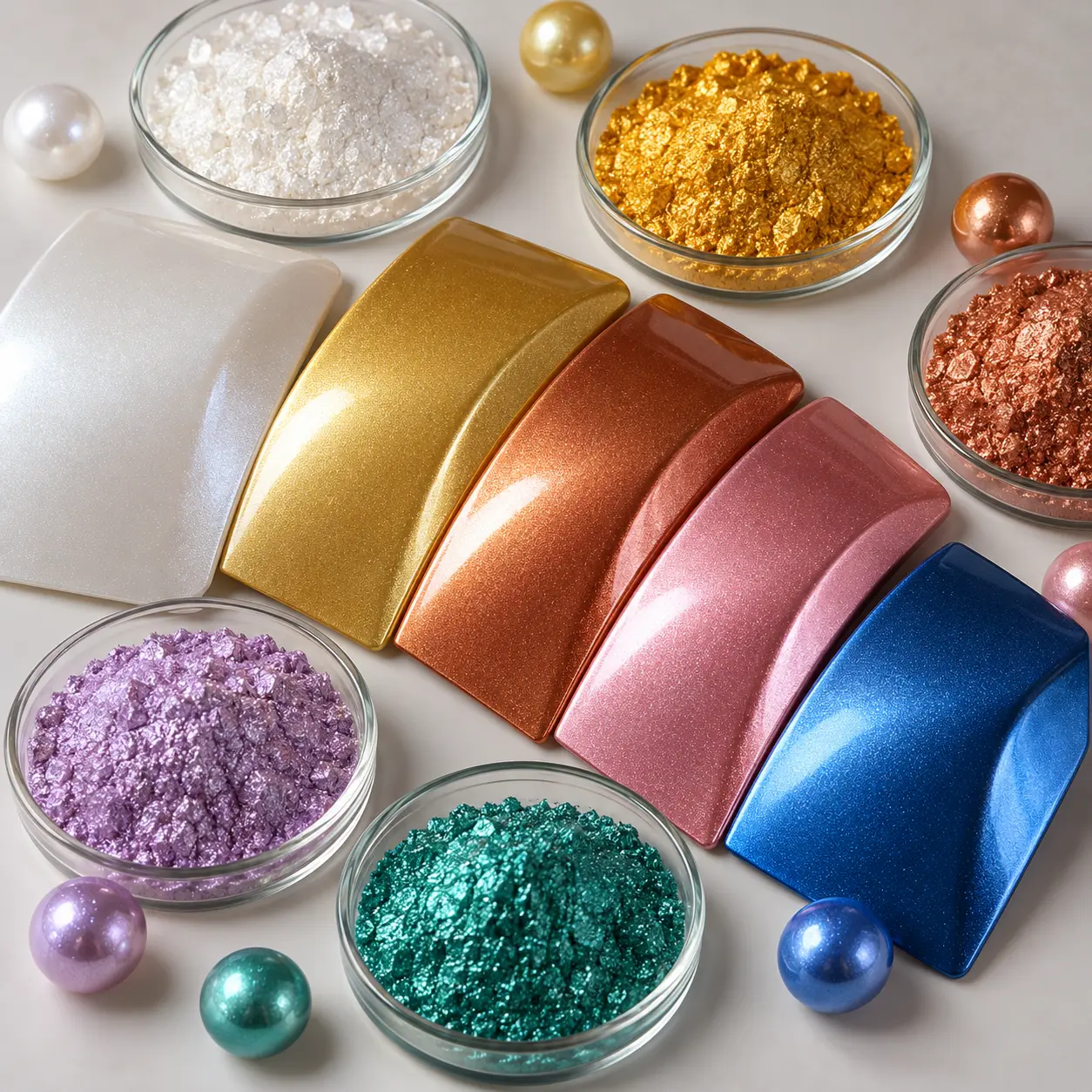
Explore Tüver Pigment's product portfolio, including Organic Pigments, Inorganic Pigments, Pearl Effect Pigments, and Plastic Additives.
Why Is Choosing the Right Pigment So Important?
Many manufacturers focus primarily on achieving the desired color. However, successful pigment selection requires much more than matching a color shade.
The right pigment contributes to:
- Consistent product quality
- Improved production efficiency
- Reduced production waste
- Excellent color stability
- Higher UV and weather resistance
- Longer product lifespan
- Lower total production costs
Whether you manufacture plastic compounds, masterbatch, industrial coatings, or rubber products, selecting the appropriate pigment directly impacts both product quality and customer satisfaction.
Problems Caused by Incorrect Pigment Selection
| Problem | Possible Cause |
|---|---|
| Color Fading | Poor light fastness |
| Color Change | Insufficient heat resistance |
| Surface Defects | Poor pigment dispersion |
| High Manufacturing Costs | Incorrect pigment dosage |
| Customer Complaints | Improper pigment selection |
| Processing Problems | Poor compatibility with the polymer system |
1. Ignoring the Final Application
One of the biggest mistakes in pigment selection is choosing a pigment without considering the final application.
The performance requirements of an automotive component differ significantly from those of a household product, packaging material, or construction application.
Different industries require different pigment characteristics.
- Plastic Manufacturing
- Masterbatch Production
- Industrial Coatings
- Printing Inks
- Rubber Products
- Construction Materials
- Textile Applications
The intended application should always be the starting point when selecting a pigment.
2. Overlooking Heat Resistance
Processing temperatures in extrusion and injection molding often exceed 250°C. Pigments that cannot withstand these temperatures may discolor, degrade, or lose their performance during manufacturing.
Heat resistance should always be evaluated according to the production process and polymer type.
3. Ignoring Light Fastness
Products exposed to sunlight require pigments with excellent light fastness and weather resistance.
Applications requiring high UV stability include:
- Outdoor furniture
- Automotive parts
- Agricultural products
- Construction materials
- Outdoor signage
Selecting pigments with insufficient UV resistance often results in premature color fading and reduced product life.
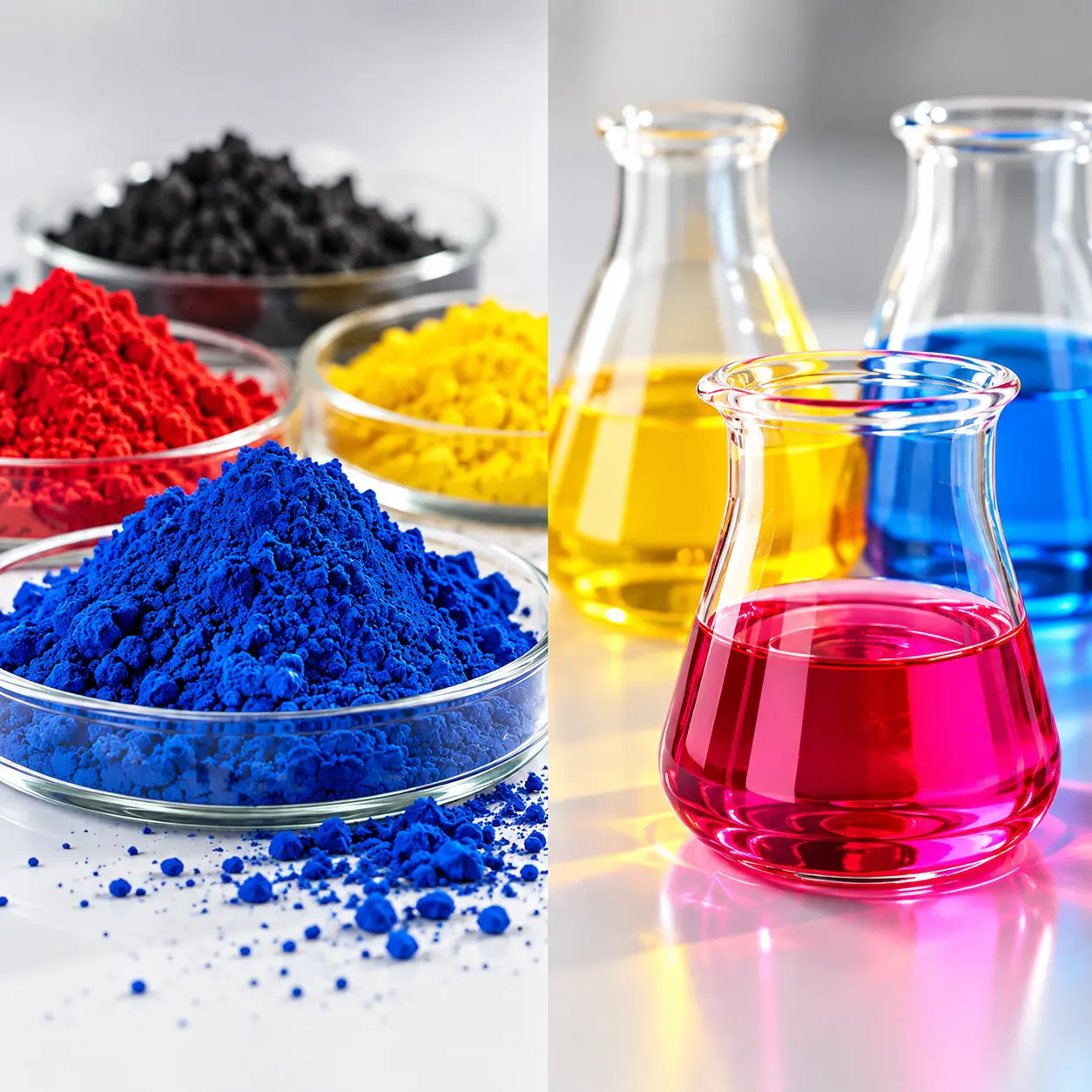
4. Confusing Organic and Inorganic Pigments
Another common mistake is assuming that organic and inorganic pigments are interchangeable. Although both provide color, they are designed for different technical requirements and applications.
Understanding the differences between these pigment groups is essential for achieving the desired performance.
| Property | Organic Pigments | Inorganic Pigments |
|---|---|---|
| Color Brightness | Excellent | Moderate |
| Heat Resistance | Good | Excellent |
| Light Fastness | Very Good | Excellent |
| Chemical Resistance | Good | Excellent |
| Opacity | Lower | Higher |
Selecting the wrong pigment category may negatively affect both production efficiency and the long-term performance of the finished product.
5. Ignoring Pigment Dispersion
Even the highest-quality pigment cannot perform well if it is not properly dispersed throughout the polymer or coating system.
Poor dispersion may result in:
- Color streaks
- Black specks
- Surface imperfections
- Filter blockage
- Reduced mechanical properties
- Inconsistent color from batch to batch
Proper dispersion is just as important as selecting the correct pigment.
6. Using the Wrong Pigment Dosage
Many manufacturers believe that adding more pigment automatically produces better color. In reality, excessive pigment loading may reduce production efficiency and increase manufacturing costs.
Incorrect dosage may cause:
- Higher raw material costs
- Poor dispersion
- Reduced mechanical strength
- Processing difficulties
- Unstable color consistency
The optimum pigment concentration should always be determined through laboratory testing and production trials.
7. Ignoring Compatibility with Plastic Additives
Pigments rarely work alone. In most plastic formulations they are combined with UV stabilizers, antioxidants, lubricants, optical brighteners, and other performance additives.
If the pigment and additive package are incompatible, manufacturers may experience:
- Color shifts
- Gloss reduction
- Surface defects
- Lower UV resistance
- Processing instability
For this reason, pigment selection should always be evaluated together with the additive package.
Learn more about our Plastic Additives solutions.
8. Choosing Pigments Based Only on Price
Low purchase cost does not necessarily mean lower production cost.
Lower-quality pigments often require higher dosage levels, generate more production waste, and increase customer complaints due to inconsistent performance.
When total production costs are considered, high-quality pigments usually provide a significantly better return on investment.
9. Skipping Laboratory and Production Trials
Introducing a new pigment directly into mass production without proper testing is a significant risk.
Before full-scale production, manufacturers should always perform:
- Laboratory color matching
- Small-scale production trials
- Heat resistance testing
- UV exposure testing
- Chemical resistance evaluation
- Color consistency measurements
Testing minimizes production risks and helps ensure consistent product quality.
10. Selecting Pigments Without Technical Support
Every manufacturing process has unique requirements. The same pigment may perform differently depending on the polymer type, processing temperature, equipment, and additive package.
Working with an experienced pigment supplier helps manufacturers reduce development time, improve product quality, and avoid costly production mistakes.
Tüver Pigment provides technical support to help customers select the most suitable pigment system for their applications.
Pigment Selection Checklist
| Evaluation Criteria | Status |
|---|---|
| Polymer type identified | ✓ |
| Processing temperature verified | ✓ |
| Light fastness evaluated | ✓ |
| Heat resistance confirmed | ✓ |
| Chemical resistance reviewed | ✓ |
| Outdoor exposure requirements assessed | ✓ |
| Pigment dispersion tested | ✓ |
| Additive compatibility verified | ✓ |
| Production trial completed | ✓ |
Choose the Right Pigment with Tüver Pigment
Selecting the correct pigment improves product quality, production efficiency, color consistency, and long-term durability.
Tüver Pigment supplies a comprehensive portfolio of industrial coloring solutions, including:
- Organic Pigments
- Inorganic Pigments
- Pearl Effect Pigments
- Fluorescent Pigments
- Phosphor Pigments
- Solvent Dyes
- Plastic Additives
Our experienced technical team helps manufacturers identify the most suitable pigment solution for plastics, masterbatch, coatings, rubber, inks, and other industrial applications.
Frequently Asked Questions (FAQ)
1. Why is choosing the right pigment important?
Selecting the correct pigment directly influences product quality, processing efficiency, color consistency, heat resistance, light fastness, and the overall service life of the finished product. An incorrect pigment selection may result in production waste, customer complaints, and increased manufacturing costs.
2. Should I choose an organic or an inorganic pigment?
The answer depends entirely on the application. Organic pigments provide brighter and more vibrant colors, while inorganic pigments generally offer superior heat resistance, weather resistance, opacity, and long-term durability.
3. What is the most important factor when selecting a pigment?
There is no single determining factor. The polymer type, processing temperature, light fastness, chemical resistance, weatherability, pigment dispersion, regulatory requirements, and production process should all be evaluated together.
4. Can one pigment be used for every plastic material?
No. Different polymers such as PP, PE, ABS, PS, PVC, PET, and PA require different pigment systems depending on their processing temperatures and performance requirements.
5. Does using more pigment produce better color?
Not necessarily. Excessive pigment loading may increase production costs, reduce mechanical properties, create dispersion problems, and negatively affect processing performance. The optimum dosage should always be established through laboratory testing.
6. Why is technical support important in pigment selection?
Every production process is different. Technical support helps manufacturers identify the most suitable pigment solution, shorten product development time, reduce manufacturing risks, and improve product quality.
Conclusion
Choosing the right pigment is far more than selecting the desired color. It is a technical decision that directly affects manufacturing efficiency, product performance, durability, customer satisfaction, and overall production cost.
Manufacturers should evaluate pigment type, processing conditions, heat resistance, UV stability, chemical resistance, dispersion performance, and additive compatibility before making a final decision. A systematic pigment selection process minimizes production risks while ensuring consistent product quality.
Tüver Pigment offers a comprehensive range of high-quality coloring solutions for plastics, masterbatch, coatings, rubber, inks, construction materials, and other industrial applications. Our experienced technical team supports customers in selecting the most suitable pigment system for every manufacturing process.
Related Products
- Organic Pigments
- Inorganic Pigments
- Pearl Effect Pigments
- Fluorescent Pigments
- Phosphor Pigments
- Solvent Dyes
- Plastic Additives
Why Choose Tüver Pigment?
Tüver Pigment is a trusted supplier of industrial pigments and specialty additives, serving customers in the plastics, masterbatch, coatings, rubber, construction, and manufacturing industries. Our extensive product portfolio, technical expertise, and reliable supply network enable manufacturers to achieve consistent quality and efficient production.
Whether you require organic pigments, inorganic pigments, pearl effect pigments, fluorescent pigments, phosphorescent pigments, solvent dyes, or plastic additives, our team is committed to helping you identify the most suitable solution for your application.
The right pigment is the foundation of a high-quality product. Partner with Tüver Pigment to improve color consistency, production efficiency, and long-term product performance.
Contact Tüver Pigment
If you need technical assistance selecting pigments for plastics, masterbatch, coatings, rubber, inks, or other industrial applications, our specialists are ready to help. Contact Tüver Pigment to discuss your project, request technical support, or explore our complete range of industrial pigment and additive solutions.