
Resource Center
August 14, 2026
What Is Reflective Powder? Applications of Reflective Pigments in Paint, Textiles and Screen Printing
In some industrial applications, adding color to a surface is not enough. When the finished product needs to reflect incoming light, improve visual visibility, or create a distinctive reflective surface effect, reflective powder can provide a specialized solution.
Reflective powder is a special effect material designed to reflect a portion of the light reaching its surface. Depending on the product and formulation, it can be considered for paint, textile, screen printing, and various surface coating applications where reflective performance is required.
However, achieving the desired reflective effect depends on more than selecting the right product. The binder system, application method, surface structure, particle concentration, dispersion quality, and lighting conditions can all influence the final result.
In this guide, we examine what reflective powder is, how reflective pigments work, where they are used, and what manufacturers should consider when selecting the right reflective product.
What Is Reflective Powder?
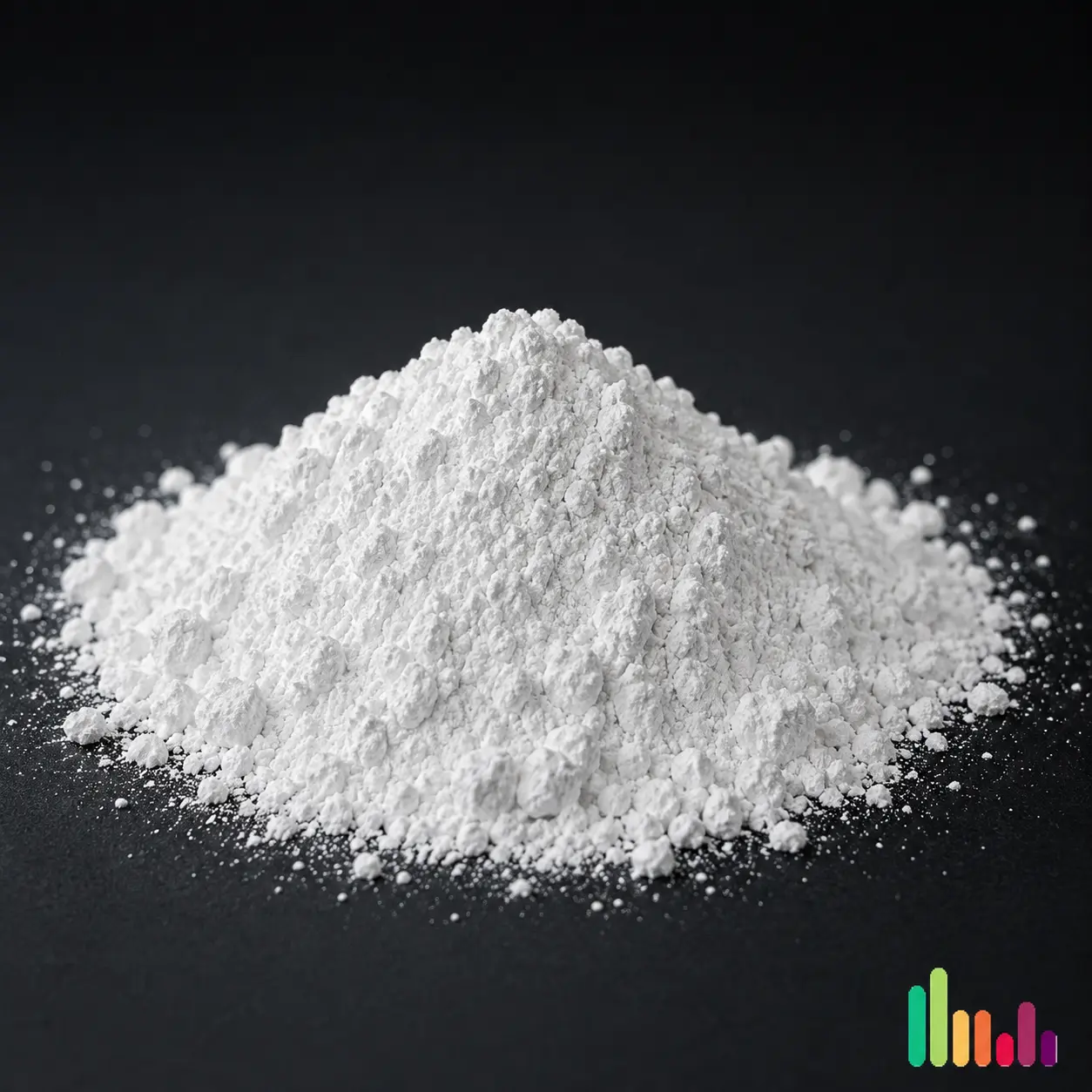
Reflective powder is a specialized powder material designed to reflect incoming light and create a reflective visual effect on the applied surface. Unlike conventional pigments, its primary purpose is not simply to provide color but to interact with light and increase the visibility of the surface under suitable lighting conditions.
What Should You Consider When Choosing Reflective Powder?
Choosing the right reflective powder requires more than evaluating its appearance in a sample. The application system, printing or coating method, surface structure, particle characteristics, and required reflective performance should all be considered together.
| Selection Criterion | Why Is It Important? |
|---|---|
| Application system | Paint, textile, and screen printing systems may require different product and formulation characteristics. |
| Particle characteristics | Particle properties can influence surface appearance, distribution, and reflective performance. |
| Dispersion | Uniform particle distribution helps achieve a more consistent reflective effect across the surface. |
| Binder compatibility | Poor compatibility can negatively affect application quality and the final surface performance. |
| Application thickness | Film thickness and surface structure can influence how light interacts with the reflective particles. |
| Final application | Indoor, outdoor, textile, paint, and printing applications can have different performance requirements. |
Why Is Particle Distribution Important in Reflective Powder Applications?
The distribution of reflective particles across the applied surface is one of the key factors influencing the final visual effect. Uneven distribution can create areas with different reflective intensities and lead to an inconsistent surface appearance.
Uniform distribution is particularly important in screen printing and textile applications, where the consistency of the printed surface directly affects the overall visual result. In paint systems, proper particle distribution can also contribute to a more uniform reflective effect.
What Is Agglomeration?
Agglomeration occurs when individual particles adhere to each other and form larger clusters. If reflective powder is not adequately dispersed within the formulation, these clusters can become visible on the finished surface.
For this reason, suitable mixing conditions and compatibility between the reflective powder and the selected binder system should be evaluated before production.
Common Mistakes When Using Reflective Powder
Selecting the Product Only by Its Appearance
The appearance of a reflective powder in a sample does not necessarily guarantee the same performance under different production conditions. The application system and processing conditions should also be considered during product selection.
Ignoring Binder Compatibility
The compatibility of reflective particles with the selected paint, ink, or coating system should be tested before production. An unsuitable binder can affect particle distribution and the final reflective appearance.
Assuming That More Powder Always Means a Stronger Effect
Increasing the dosage of reflective powder does not necessarily produce a proportionally stronger reflective effect. Excessive loading can increase production costs and may also change the application properties of the formulation.
Determining the optimum dosage through laboratory trials is therefore a more reliable approach.
How Is Reflective Powder Evaluated in Paint Formulations?
When reflective powder is used in paint production, the structure of the paint system should be determined first. The compatibility of the selected powder with water-based, solvent-based, or other binder systems should then be evaluated.
Mixing conditions are also important. Excessive mechanical shear or unsuitable mixing conditions may affect the distribution and surface characteristics of certain effect particles.
For this reason, manufacturers can compare different pigment concentrations and processing conditions at laboratory scale before moving to full-scale production.
Reflective Powder vs. Pearlescent Pigments
Reflective powder and pearlescent pigments are not designed to create exactly the same visual effect. Reflective powder is primarily used to reflect incoming light and create a reflective appearance under suitable lighting conditions.
Pearlescent pigments, on the other hand, are used to create pearl-like, metallic, iridescent, or color-shifting effects through the reflection and refraction of light.
Manufacturers should therefore first determine whether the target effect is reflective visibility or a decorative pearlescent surface effect before selecting the appropriate product.
Reflective Powder vs. Fluorescent Pigments
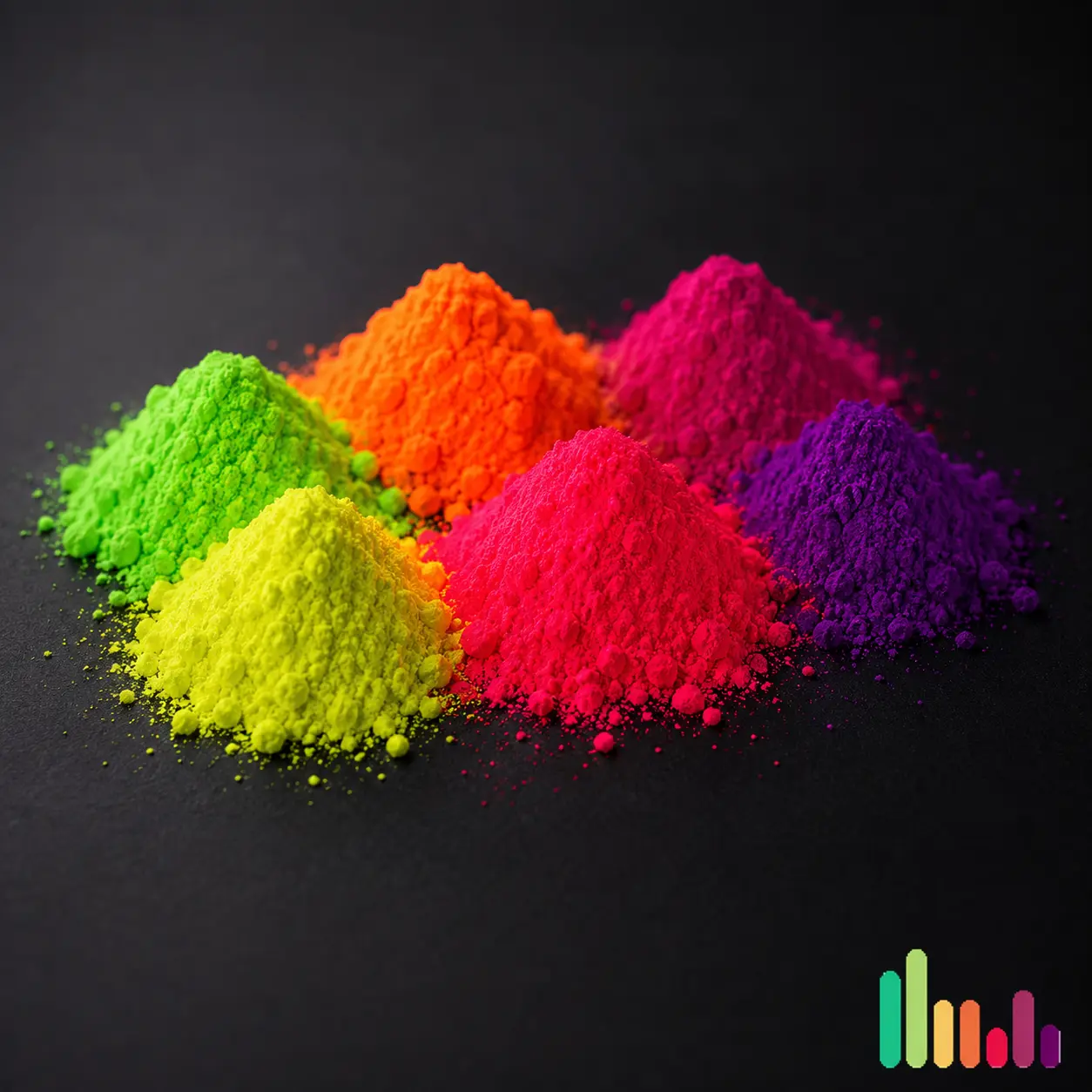
Reflective powder and fluorescent pigments also operate through different optical mechanisms. Fluorescent pigments can absorb light and re-emit part of it, creating vivid and highly noticeable colors.
Reflective powder is primarily selected when the objective is to reflect incoming light and create a reflective surface effect. For applications requiring bright and vivid colors rather than a reflective effect, fluorescent pigments may be a more suitable option.
Why Do Processing Conditions Matter When Using Reflective Powder?
The final performance of reflective powder depends not only on the product itself but also on the formulation and production process. Binder selection, mixing conditions, application thickness, particle distribution, and surface structure can all influence the resulting reflective effect.
For this reason, manufacturers should evaluate reflective powder under their actual formulation and production conditions before moving to full-scale manufacturing.
Mixing Conditions
Reflective powder should be distributed uniformly throughout the formulation. However, the type of mixing equipment, mixing time, and mechanical shear should also be taken into consideration.
Excessive or unsuitable mechanical treatment may affect the distribution and surface characteristics of certain effect particles. Laboratory trials can therefore be used to determine the most suitable mixing conditions for the formulation.
Application Thickness
Application thickness is another important factor affecting the visual performance of reflective powder. If the applied layer is too thin, the concentration of reflective particles at the surface may be insufficient. Excessively thick applications, on the other hand, may affect the appearance and application properties of the finished coating.
Testing different film thicknesses can help manufacturers determine the optimum application conditions for paint and screen printing systems.
Why Should Reflective Powder Be Tested at Laboratory Scale?
The appearance of a reflective powder in a sample does not guarantee that it will produce exactly the same result in a different binder or production system. Small-scale laboratory testing is therefore an important step before full-scale production.
During laboratory trials, manufacturers can compare different pigment concentrations, binder ratios, application thicknesses, and mixing conditions.
This approach helps evaluate both reflective performance and formulation compatibility before committing to large-scale production.
How Do You Choose the Right Reflective Powder?
The first step in selecting the right reflective powder is to define the intended application. Paint, textile, and screen printing systems may have different processing requirements and performance expectations.
The binder system, application method, target reflective effect, particle characteristics, dispersion requirements, and final operating conditions should then be evaluated.
For example, the critical requirements for a textile printing application may differ from those of an industrial paint system. Application-specific product selection is therefore a more reliable approach than choosing a product based only on its visual appearance.
Tüver Pigment Reflective Powder Solutions
Tüver Pigment provides specialized pigment and effect solutions for different industrial applications. Reflective powder can be evaluated for applications including paint, textiles, and screen printing where a distinctive reflective surface effect is required.
When selecting the appropriate product, manufacturers should consider not only the desired visual effect but also the technical requirements of the formulation and production process.
You can explore the Tüver Pigment Reflective Powder product range for more information.
Choosing Reflective Powder with Tüver Pigment
Every production system has different requirements from pigments and special effect materials. Evaluating the technical details of the application is therefore important when selecting the most suitable product.
If you are looking for reflective powder for paint, textile, or screen printing applications, the binder system, application method, and production conditions should be considered when determining the appropriate product.
To explore Tüver Pigment's complete range of pigment and effect solutions, visit the Products page.
Conclusion: When Should Reflective Powder Be Used?
Reflective powder is a specialized material used to create a surface effect in which incoming light is reflected back under suitable lighting conditions. It can be considered for paint, textile, screen printing, and other applications where reflective visibility is required.
However, successful application depends on more than the reflective properties of the powder itself. Particle distribution, dispersion, binder compatibility, application thickness, mixing conditions, and the final use environment should all be evaluated together.
Selecting the appropriate product and conducting laboratory trials before production can help manufacturers achieve more consistent results and reduce formulation-related problems during full-scale manufacturing.
Frequently Asked Questions About Reflective Powder
What is reflective powder?
Reflective powder is a specialized powder material designed to reflect a portion of incoming light and create a distinctive reflective effect on the applied surface.
Where is reflective powder used?
Reflective powder can be used in paint, textile, screen printing, and various surface coating applications where a reflective visual effect or increased visibility is required.
Can reflective powder be used in paint?
Yes. Suitable reflective powder can be incorporated into paint formulations when the product is compatible with the selected binder system. Dispersion and application conditions should be tested beforehand.
Can reflective powder be used in textiles?
Yes. Suitable reflective powder can be used with compatible textile printing systems to create reflective effects on fabric surfaces.
What is the difference between reflective powder and fluorescent pigment?
Fluorescent pigments interact with light to create bright and vivid colors, while reflective powder is primarily designed to reflect incoming light and create a reflective surface effect.
Does Tüver Pigment supply reflective powder?
Yes. Tüver Pigment supplies reflective powder solutions for different industrial applications.
This characteristic makes reflective powder suitable for applications where reflected light and visual visibility are important performance requirements.
Tüver Pigment offers Reflective Powder solutions that can be evaluated for paint, textile, and screen printing applications.
How Does Reflective Powder Work?
The reflective effect is based on the interaction between incoming light and the reflective particles distributed across the applied surface. When light reaches these particles, a portion of the light can be reflected back toward the light source or the observer.
As a result, the visibility of the reflective surface depends not only on the powder itself but also on the position of the light source, viewing angle, application surface, and distribution of the particles within the formulation.
What Is the Difference Between Reflective and Fluorescent Effects?
Reflective powder and fluorescent pigments create different visual effects. Fluorescent pigments are primarily used to produce bright and vivid colors through their interaction with light, while reflective materials are designed to reflect incoming light and create a more visible reflective effect.
For applications where strong color brightness is the main objective, fluorescent pigments may be considered. When the primary requirement is a reflective surface effect, reflective powder may be the more appropriate solution.
Where Is Reflective Powder Used?
Reflective powder can be considered in applications where surfaces need to become more visually noticeable under specific lighting conditions. Paint, textile, and screen printing are among the main application areas.
Reflective Powder in Paint Applications
Reflective powder can be incorporated into paint systems to create a specialized light-reflecting surface effect. Depending on the formulation, suitable products can be evaluated for water-based and solvent-based applications.
In paint production, the binder system, application thickness, and distribution of reflective particles are important factors. Uneven particle distribution can result in differences in reflective performance across the applied surface.
Manufacturers looking for additional surface effects can also evaluate Tüver Pigment's pearlescent effect pigments.
Reflective Powder in Textile Applications
Reflective powder for textiles can be used to create surfaces that reflect light under suitable lighting conditions and provide a distinctive visual effect.
When selecting a reflective powder for textile applications, the fabric structure, binder system, printing method, and required reflective performance should be evaluated together.
In textile printing, uniform distribution of reflective particles across the surface is important for achieving a consistent effect.
Reflective Powder in Screen Printing
In screen printing, reflective powder can be used to create a special effect that becomes more visible when the printed surface is exposed to light.
Compatibility between the reflective particles and the selected ink or binder system is important. Print thickness and surface structure can also influence how light interacts with the reflective particles.
For this reason, manufacturers should conduct small-scale application tests before full-scale production to determine the most suitable formulation and printing conditions.
What Is the Difference Between Reflective Powder and Conventional Pigments?
Conventional pigments are primarily used to provide color to a formulation. Reflective powder has an additional function: reflecting incoming light and creating a distinctive visual effect.
For this reason, reflective powder should not be considered a direct replacement for conventional color pigments. The first step in product selection should be to define the visual and technical performance expected from the finished product.
For conventional color applications, Tüver Pigment also offers organic pigments and inorganic pigments for different industrial applications.