
Resource Center
June 21, 2026
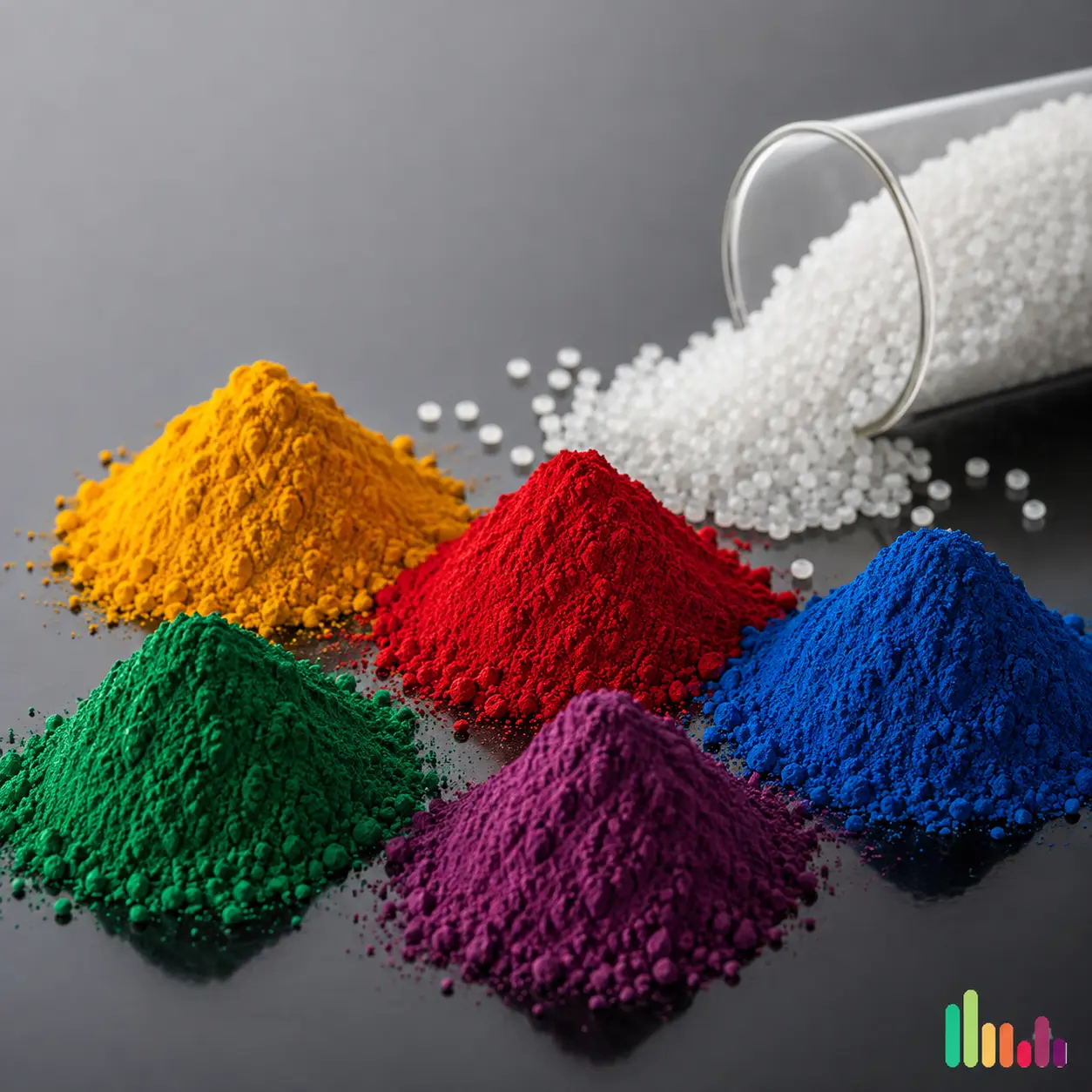
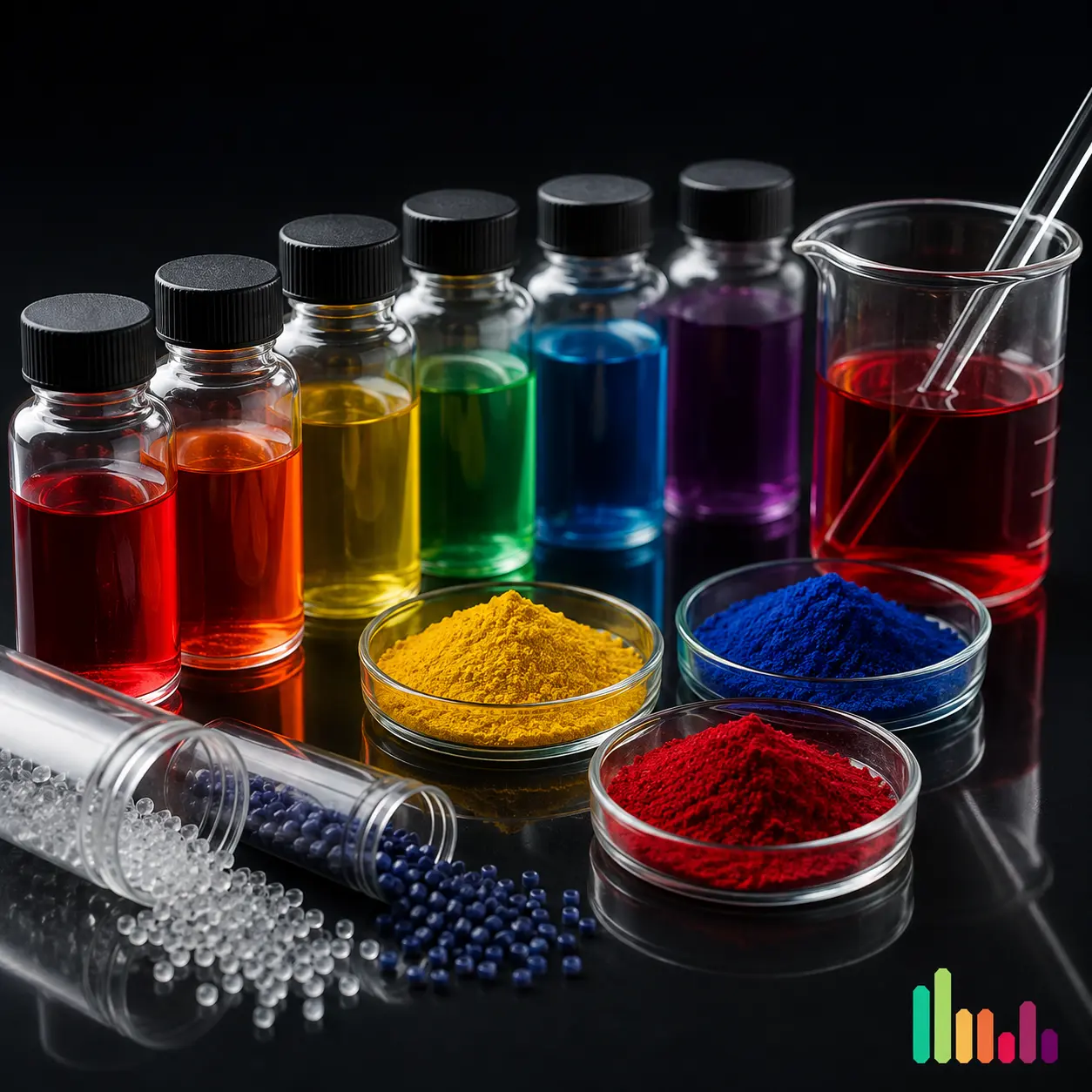
Pigments are fine particles used to add color or special properties to paints, plastics, inks, rubber, textiles, and many industrial products.
Main Applications
1. Paint and Coating Industry
Powder coatings
Industrial paints
Decorative paints
Automotive paints
Wood paints
Protective coatings
Here, pigments are used not only to add color but also to provide UV resistance, opacity, and outdoor resistance.
2. Plastics Industry
Masterbatch production
PVC products
PE, PP, and ABS plastics
Packaging products
Products
Household appliance parts
Pigments impart permanent color to plastics and provide some UV protection.
3. Ink Industry
Offset printing
Flexographic printing
Rotogravure printing
Digital printing inks
Packaging printing
Used for high color strength and print quality.
4. Textile Industry
Fiber dyeing
Fabric printing
Synthetic yarn production
Pigment printing is particularly common.
5. Construction and Building Materials
Concrete coloring
Paving stones
Curb stones
Roof tiles
Ready-made plasters and mortars
Iron oxide pigments are the most commonly used.
6. Rubber Industry
Tire production
Seals and filters
Industrial rubber parts
Carbon black is used especially as a black pigment.
7. Cosmetics and Personal Care
Makeup products
Lipstick
Tools
Nail polish
Sunscreen
Special cosmetic-grade pigments are used.
8. Ceramics and Glass Industry
Ceramic glazes
Porcelain products
Glass coloring
High-temperature resistant inorganic pigments are preferred.
Pigment Types and Their Uses
Pigment Type Common Use
Organic Pigments Ink, plastics, paint
Inorganic Pigments Construction, ceramics, exterior paints
Metallic Pigments Automotive, decorative coatings
Effect Pigments Cosmetics, special paints
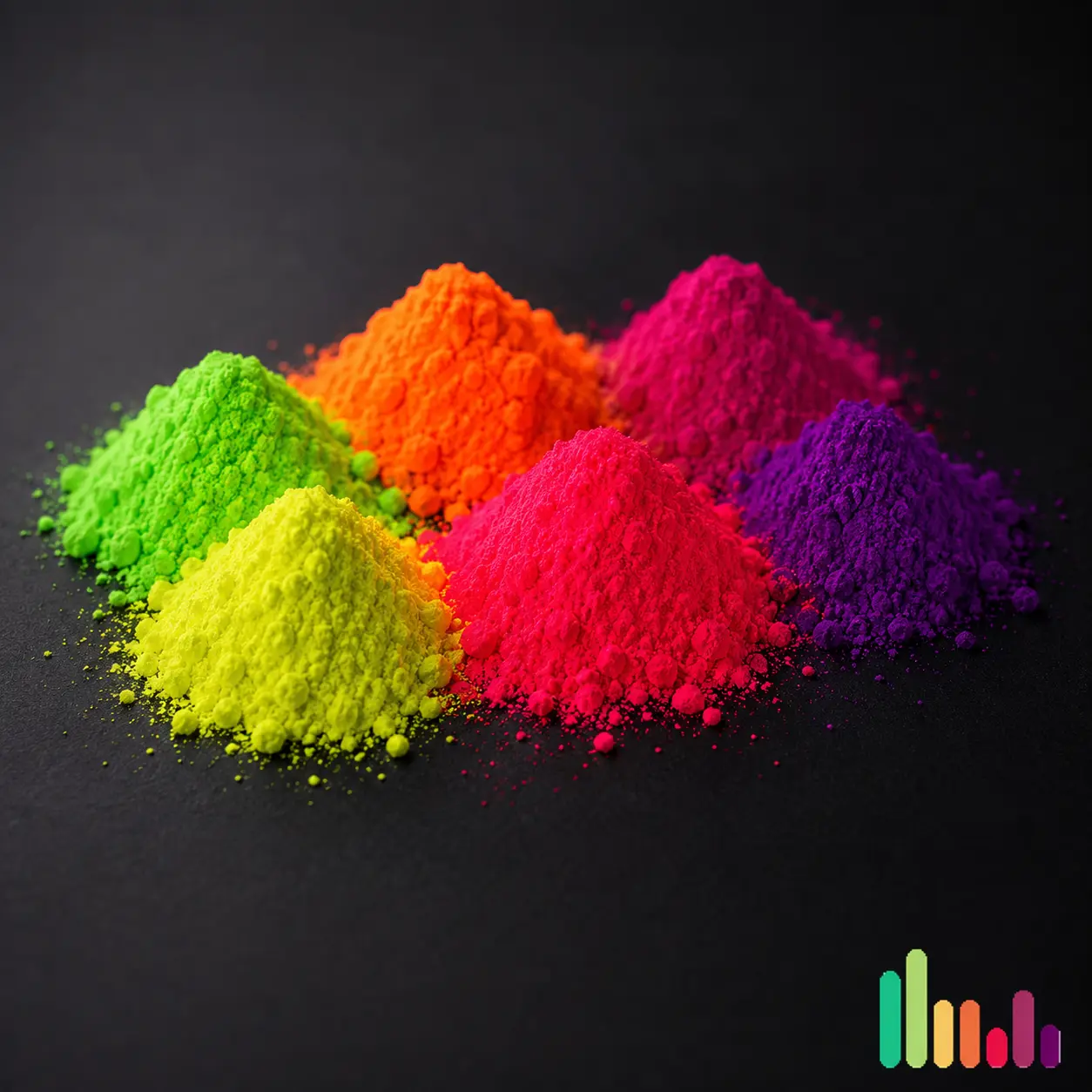
Fluorescent Pigments Advertising, safety packaging
In the powder coating industry, organic pigments are commonly used, especially for yellow, red, blue, and green tones; inorganic pigments are used for black, white, and some durable tones. Therefore, pigments are one of the basic raw materials that directly affect the properties, brightness, and performance of products, as well as color formation.