
Resource Center
August 07, 2026
Decorative Paint Pigments: How to Choose the Right Pigments for Long-Lasting Color Performance | Tüver Pigment
Decorative paints do much more than add color to surfaces—they protect walls, concrete, wood, and metal while enhancing their visual appearance. The quality, durability, hiding power, and long-term color stability of decorative paints largely depend on the quality of the pigments used during production.
Today, manufacturers use both organic pigments and inorganic pigments to produce decorative coatings for interior and exterior applications. Depending on the desired color, durability, and application environment, selecting the right pigment is essential for achieving superior coating performance.
This comprehensive guide explains the importance of pigments in decorative paints, the different pigment types, the key performance properties to consider, and how to select the best pigments for modern decorative coating systems.
Explore our complete range of Organic Pigments, Inorganic Pigments, Pearl Effect Pigments, and Chrome Pigments for decorative coating applications.
What Are Decorative Paints?
Decorative paints are coating systems designed to protect and enhance the appearance of walls, ceilings, concrete, wood, metal, and many other building surfaces. Modern decorative paints not only provide attractive colors but also create textured finishes, metallic effects, pearl finishes, and premium visual appearances.
The overall quality of decorative paints depends on the combination of binders, fillers, additives, and, most importantly, high-quality pigments.
Why Are Pigments Important in Decorative Paints?
Pigments are responsible for the color of decorative coatings, but their function goes far beyond coloration. They significantly influence opacity, UV resistance, light fastness, weather durability, and the long-term appearance of painted surfaces.
Using premium-quality pigments provides several important advantages:
- Brighter and more vibrant colors
- Excellent hiding power
- Higher color consistency
- Reduced paint consumption
- Improved resistance to sunlight
- Long-lasting decorative appearance
- Better overall coating performance
Types of Pigments Used in Decorative Paints
Different decorative coating systems require different pigment technologies depending on the desired appearance and performance.
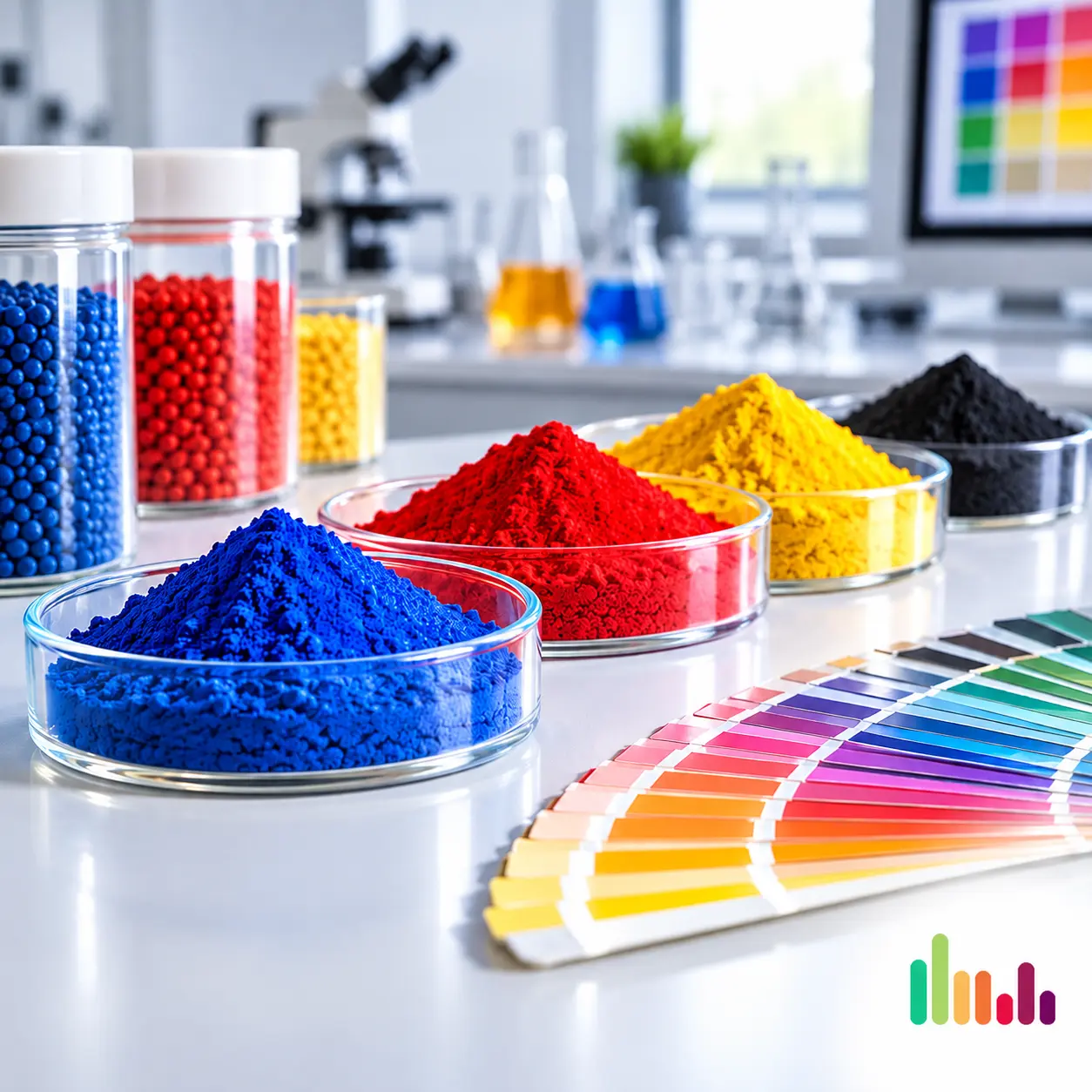
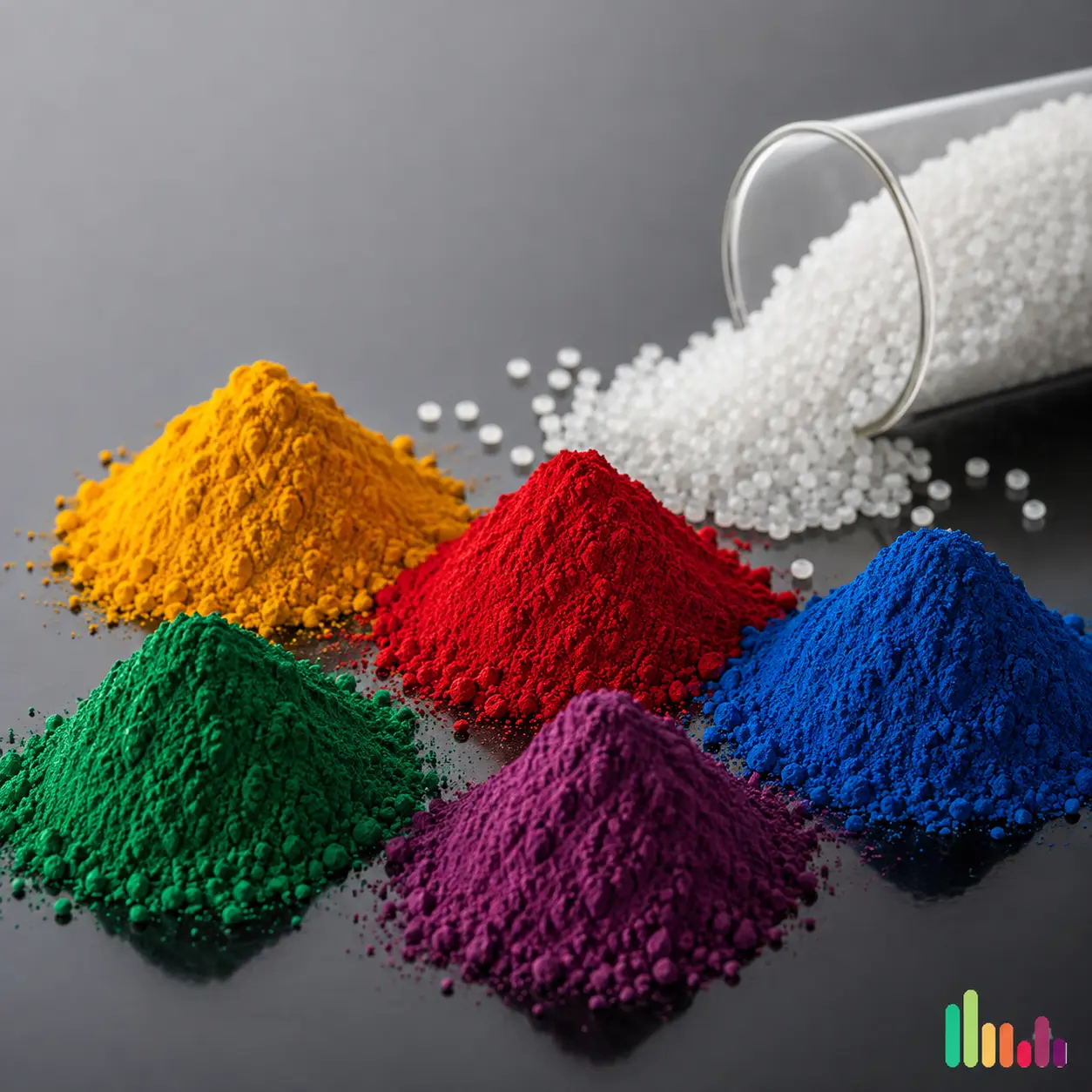
Organic Pigments
Organic pigments are widely used because of their brilliant colors, high tinting strength, and broad color range. They are ideal for producing vivid reds, blues, greens, and yellows in decorative coatings.
Inorganic Pigments
Inorganic pigments offer excellent opacity, outstanding weather resistance, and superior UV stability. They are commonly selected for exterior paints and architectural coatings requiring long-term durability.
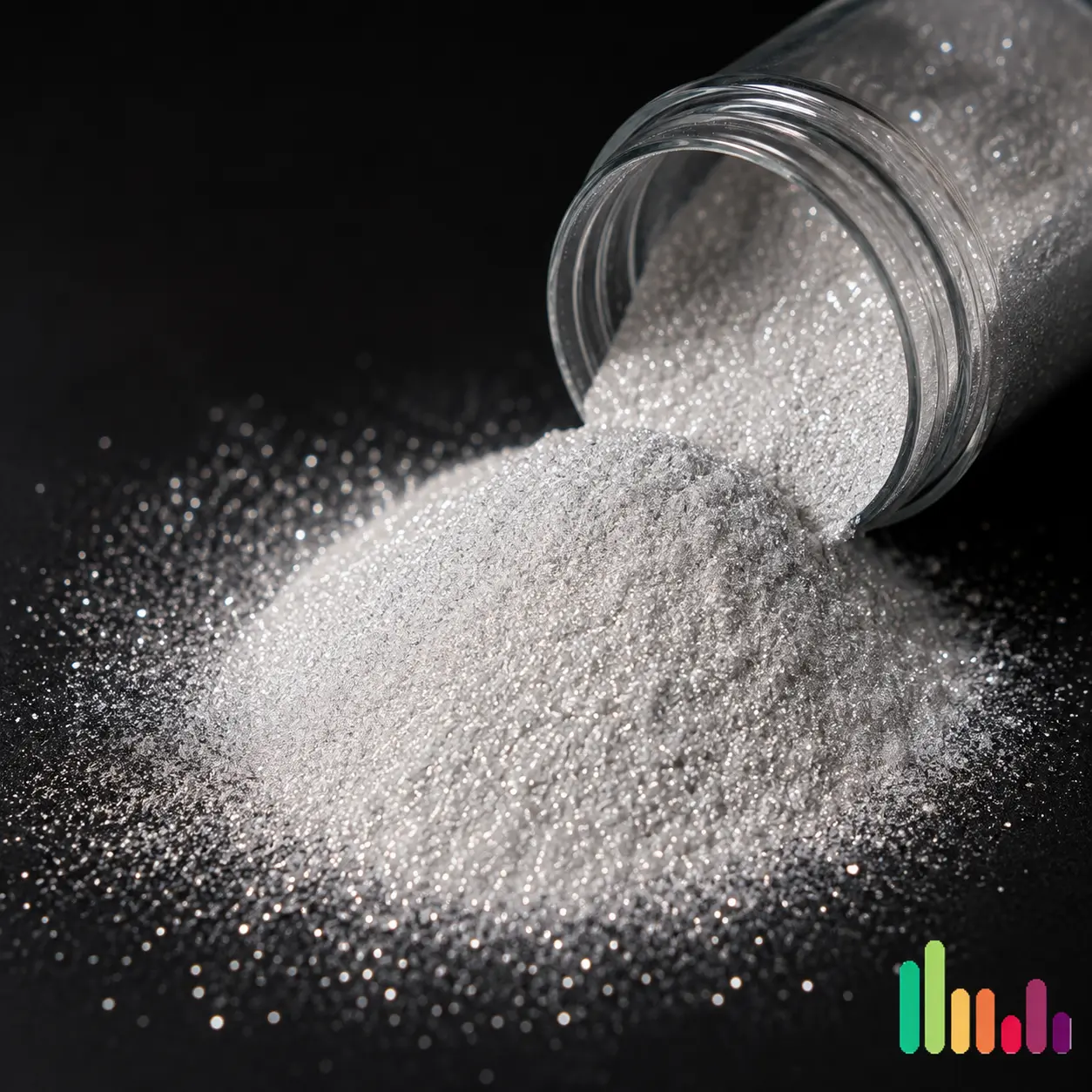
Pearl Effect Pigments
Pearl effect pigments create elegant metallic, satin, and pearlescent finishes. These special-effect pigments are increasingly popular in premium decorative coatings and luxury interior design applications.
Key Pigment Properties for Decorative Paints
Selecting pigments for decorative coatings involves evaluating several technical properties beyond color alone.
| Property | Importance |
|---|---|
| Color Strength | Produces vibrant and rich colors. |
| Opacity | Improves hiding power and coating efficiency. |
| Light Fastness | Prevents fading over time. |
| UV Resistance | Maintains long-term outdoor performance. |
| Chemical Resistance | Enhances coating durability. |
| Dispersion Quality | Provides uniform color distribution. |
Choosing Pigments for Interior and Exterior Decorative Paints
The selection of pigments should always be based on the intended application environment. Interior and exterior decorative paints are exposed to different environmental conditions, requiring pigments with different technical characteristics to ensure long-term performance.
Interior Decorative Paints
For interior coatings, color brilliance, smooth appearance, and excellent hiding power are the primary priorities. Since these coatings are generally exposed to limited UV radiation, manufacturers often choose high-quality organic pigments to achieve vibrant and consistent colors.
Key performance requirements for interior decorative paints include:
- Bright and vivid colors
- High tinting strength
- Excellent dispersion
- Smooth application
- Consistent finish quality
- Long-lasting decorative appearance
Exterior Decorative Paints
Exterior coatings must withstand sunlight, UV radiation, rain, humidity, pollution, and continuous temperature changes. For this reason, pigments with outstanding weather resistance, excellent light fastness, and superior durability are essential.
High-quality Inorganic Pigments and premium organic pigments provide reliable long-term color stability for exterior architectural coatings.
Pearl Effect Pigments in Decorative Paints
Modern decorative coatings increasingly incorporate special-effect pigments to create sophisticated visual finishes. Pearl effect pigments produce elegant metallic reflections, satin finishes, and luxurious pearlescent appearances that enhance the overall aesthetic value of decorative paints.
Pearl Effect Pigments are widely used in premium decorative coatings where visual depth and unique light reflections are desired.
Typical applications include:
- Luxury interior wall coatings
- Decorative effect paints
- Textured decorative finishes
- Architectural coatings
- Furniture coatings
- Premium design applications
Why UV Resistance Matters in Decorative Paints
Ultraviolet radiation gradually affects the chemical structure of pigments. Pigments with poor UV resistance may fade, discolor, or lose their original appearance after prolonged outdoor exposure. Selecting pigments with excellent UV stability significantly extends the service life of decorative coatings.
For exterior architectural paints, high light fastness and UV resistance are among the most critical selection criteria.
Opacity and Tinting Strength
Opacity determines how effectively a paint covers the underlying surface. High-opacity pigments allow manufacturers to achieve complete coverage with lower paint consumption, improving both product quality and production efficiency.
Tinting strength refers to the ability of a pigment to produce intense color even at relatively low concentrations. Pigments with high tinting strength reduce formulation costs while delivering vibrant, consistent colors.
How to Choose the Right Pigments for Decorative Paints
Choosing pigments for decorative coatings requires evaluating multiple technical properties rather than focusing solely on color. The final application, environmental conditions, and desired coating performance should all be considered during pigment selection.
- Desired color shade
- Opacity requirements
- Light fastness
- UV resistance
- Chemical resistance
- Dispersion quality
- Binder compatibility
- Long-term color stability
Tüver Pigment supplies premium-quality Organic Pigments, Inorganic Pigments, Pearl Effect Pigments, and Chrome Pigments for manufacturers seeking reliable color performance and outstanding decorative coating quality.
Frequently Asked Questions (FAQ)
1. Which pigments are used in decorative paints?
Decorative paints commonly use organic pigments, inorganic pigments, and pearl effect pigments. The selection depends on the desired color, application environment, durability requirements, and overall coating performance.
2. Are organic pigments suitable for decorative coatings?
Yes. Organic pigments offer excellent tinting strength, brilliant colors, and a wide color spectrum, making them ideal for interior decorative paints and premium architectural coatings.
3. Why are inorganic pigments preferred for exterior paints?
Inorganic pigments provide excellent UV resistance, outstanding light fastness, superior weather durability, and long-term color stability, making them ideal for exterior architectural coatings exposed to harsh environmental conditions.
4. What are the benefits of pearl effect pigments?
Pearl effect pigments create metallic, satin, and pearlescent finishes that enhance the visual appeal of decorative coatings. They are widely used in luxury interior paints, textured coatings, and premium decorative applications.
5. How does pigment selection affect paint quality?
The quality of pigments directly influences color consistency, hiding power, dispersion, UV resistance, weather durability, and the overall lifespan of decorative coatings. Selecting high-quality pigments ensures reliable performance and long-lasting appearance.
6. Why choose decorative paint pigments from Tüver Pigment?
Tüver Pigment supplies premium-quality organic pigments, inorganic pigments, chrome pigments, and pearl effect pigments for decorative paint manufacturers. Our products offer consistent quality, reliable supply, and professional technical support for demanding industrial applications.
Conclusion
Selecting the right pigments for decorative paints is essential for achieving vibrant colors, excellent hiding power, long-term durability, and superior weather resistance. High-quality pigments improve coating performance while helping manufacturers produce visually attractive and long-lasting decorative finishes.
Whether manufacturing interior paints, exterior coatings, textured finishes, or premium decorative systems, choosing the appropriate pigment technology ensures consistent color quality, improved production efficiency, and enhanced customer satisfaction.
Related Products
Why Choose Tüver Pigment?
Tüver Pigment is a trusted supplier of high-quality organic pigments, inorganic pigments, effect pigments, and specialty additives for the coatings, plastics, masterbatch, rubber, and chemical industries. Our broad product portfolio, consistent quality standards, and technical expertise enable manufacturers to achieve reliable color performance and long-lasting product quality.
With dependable supply, professional technical assistance, and customer-focused service, Tüver Pigment supports decorative paint manufacturers in developing innovative, durable, and visually outstanding coating systems.
Contact Tüver Pigment
For more information about pigments for decorative paints, technical guidance, or assistance in selecting the right pigment for your coating formulation, contact the experts at Tüver Pigment.
Discover premium decorative paint pigment solutions from Tüver Pigment and create coatings with exceptional color performance, durability, and long-lasting beauty.